We Took Part in an International Conference Dedicated to Human-Bear Coexistencehttps://fundacionosopardo.org/wp-content/uploads/2026/09/WhatsApp-Image-2026-09-28-at-10.19.18-1-1.jpeg20401202Fundación Oso PardoFundación Oso Pardohttps://fundacionosopardo.org/wp-content/uploads/2026/09/WhatsApp-Image-2026-09-28-at-10.19.18-1-1.jpeg
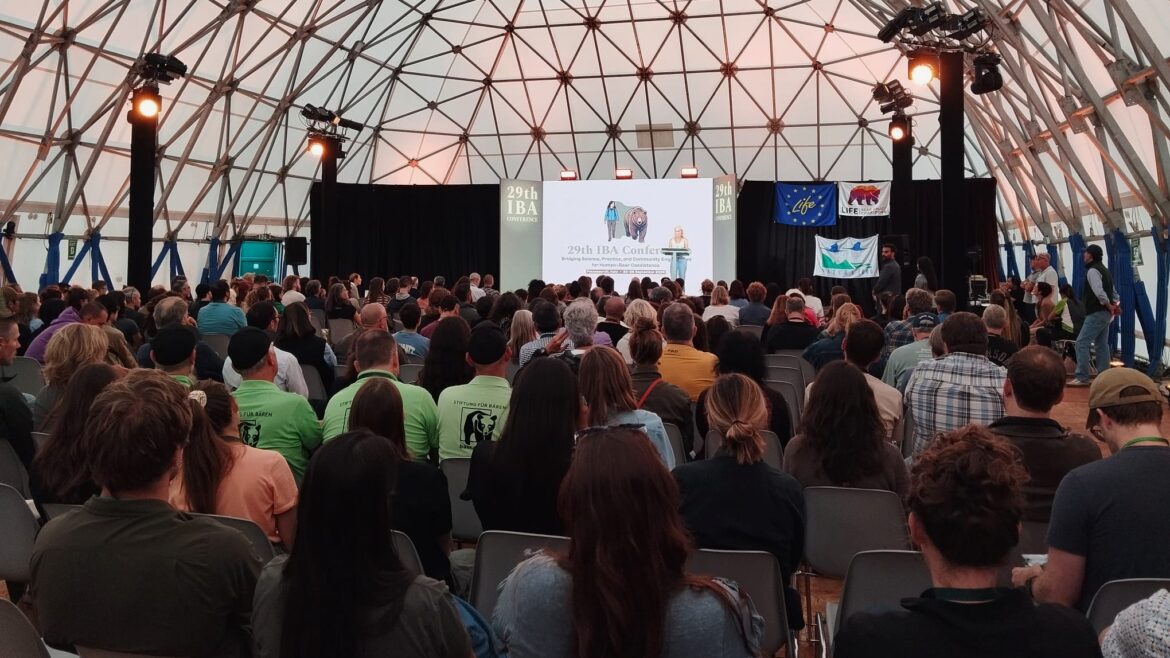
The Brown Bear Foundation (FOP) took part in an important international meeting focused on coexistence between people and bears. From 20 to 25 September, Pescasseroli, in Italy’s Central Apennines, hosted the 29th International Conference on Bear Research & Management.
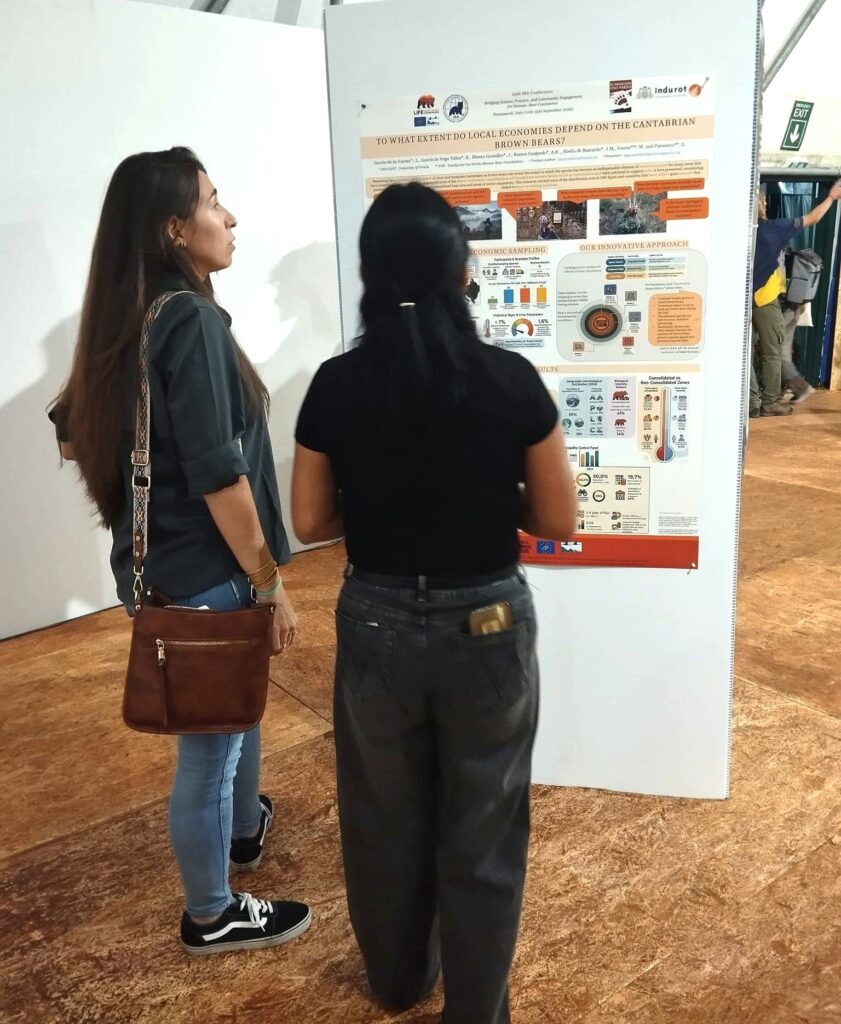
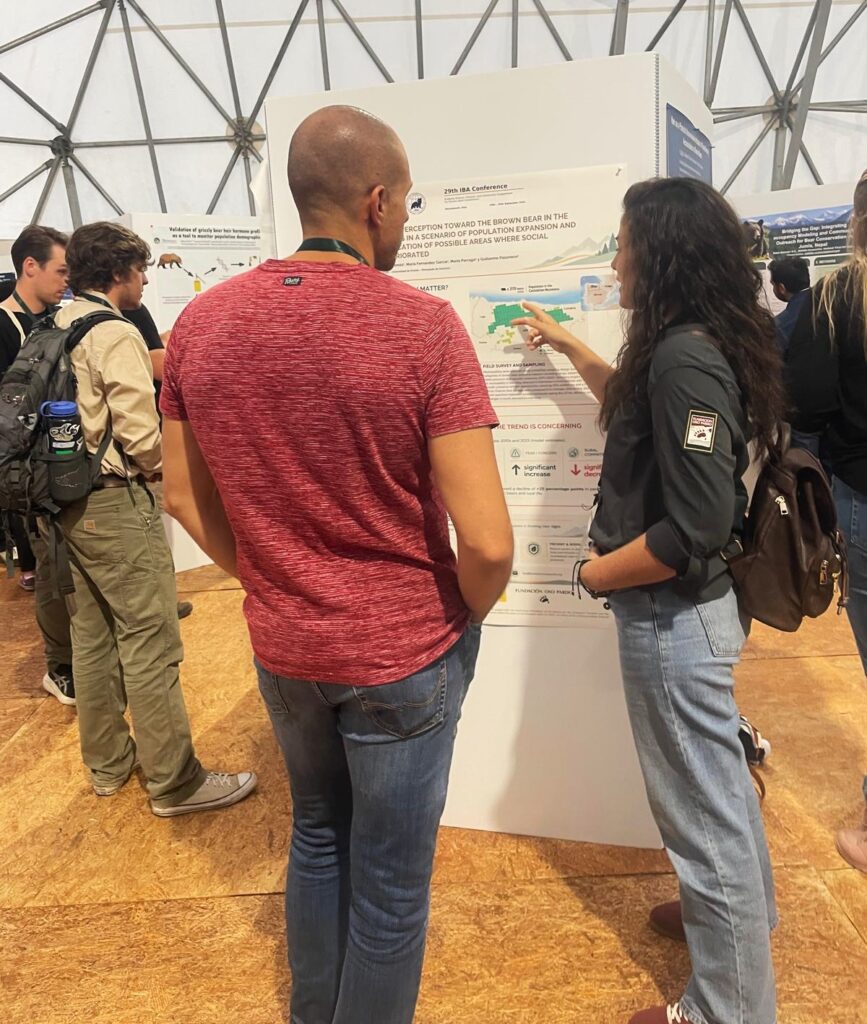
The event brought together hundreds of international experts to share knowledge and strengthen strategies for coexistence between bears and human populations. FOP took part in thematic workshops and presented two posters showcasing some of its latest and most relevant research findings.
We consider the exchange of experiences and the discussion of future solutions to be crucial, particularly in a context where managing coexistence requires the participation and coordination of many different stakeholders, including scientists, professionals, authorities, NGOs and local communities.
This activity is part of the LIFE Human Bear Coex project, which is funded by the European Union.
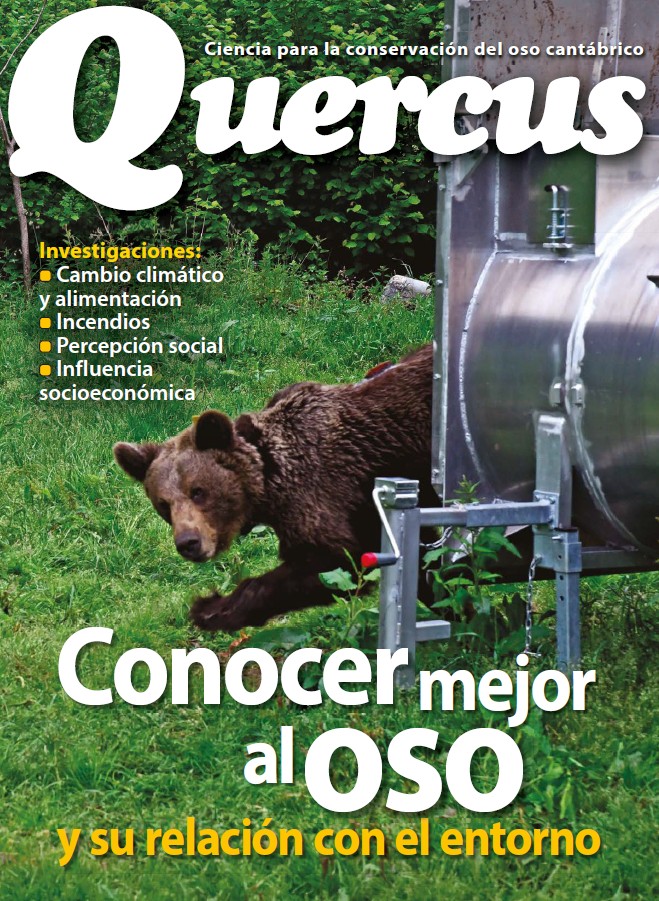
Science for the Conservation of the Cantabrian Brown Bearhttps://fundacionosopardo.org/wp-content/uploads/2026/09/Quercus-Julio-2026_2-1.jpg659576Fundación Oso PardoFundación Oso Pardohttps://fundacionosopardo.org/wp-content/uploads/2026/09/Quercus-Julio-2026_2-1.jpg
«The recovery of the Cantabrian brown bear is now a reality supported by data, but it is also a reminder that effective conservation is only possible when it is underpinned by scientific knowledge. Understanding population dynamics, habitat use and interactions with human activities is essential for designing strategies adapted to a constantly changing context. Without science, conservation efforts move forward with too much uncertainty. With it, we invest in the capacity to anticipate problems and guide solutions.»
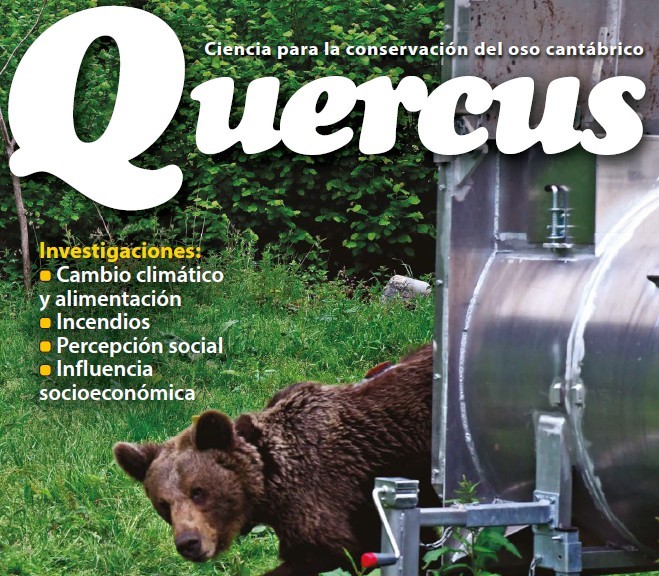
This is how we begin the editorial of the special supplement published with the July issue of Quercus, the emblematic magazine dedicated to the observation, study and defence of nature.
The supplement brings together a range of studies on the effects of climate change on the brown bear’s food resources, the evolution of public perceptions of the species, and the contribution of the brown bear to rural development and the rural economy. It also presents the tools developed within the LIFE Human Bear Coex project to address the new scenarios of human-bear coexistence.
Ongoing Outreach and Awareness-Raising for Human-Bear Coexistencehttps://fundacionosopardo.org/wp-content/uploads/2026/08/Narcenatur-C-1-scaled.jpg25601490Fundación Oso PardoFundación Oso Pardohttps://fundacionosopardo.org/wp-content/uploads/2026/08/Narcenatur-C-1-scaled.jpg
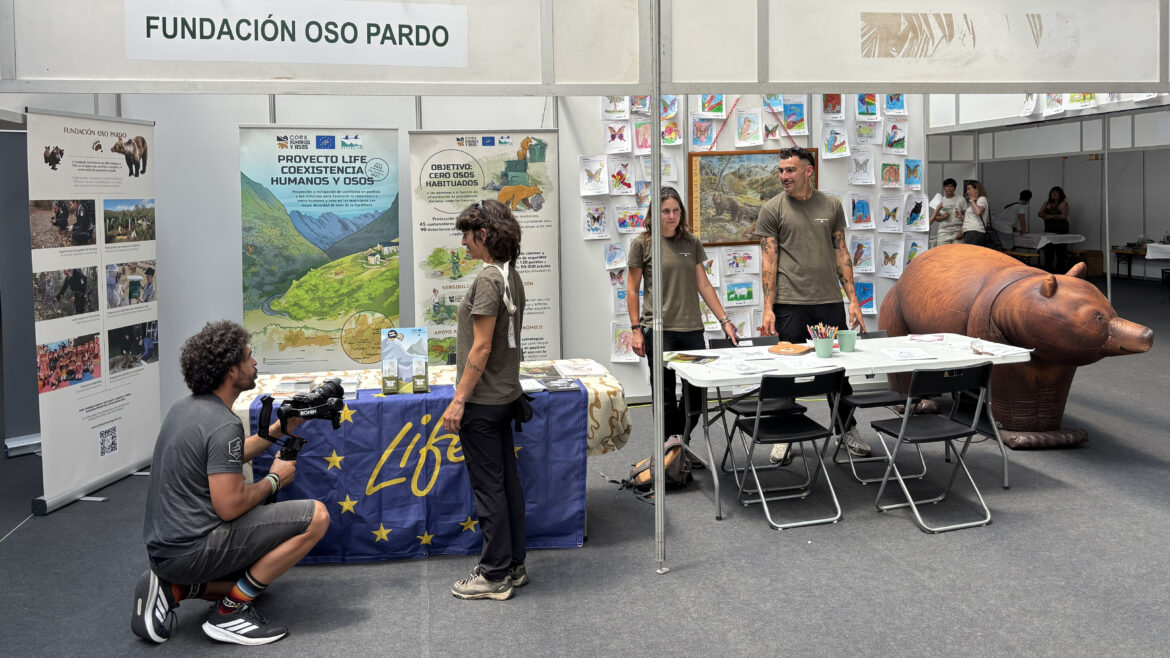
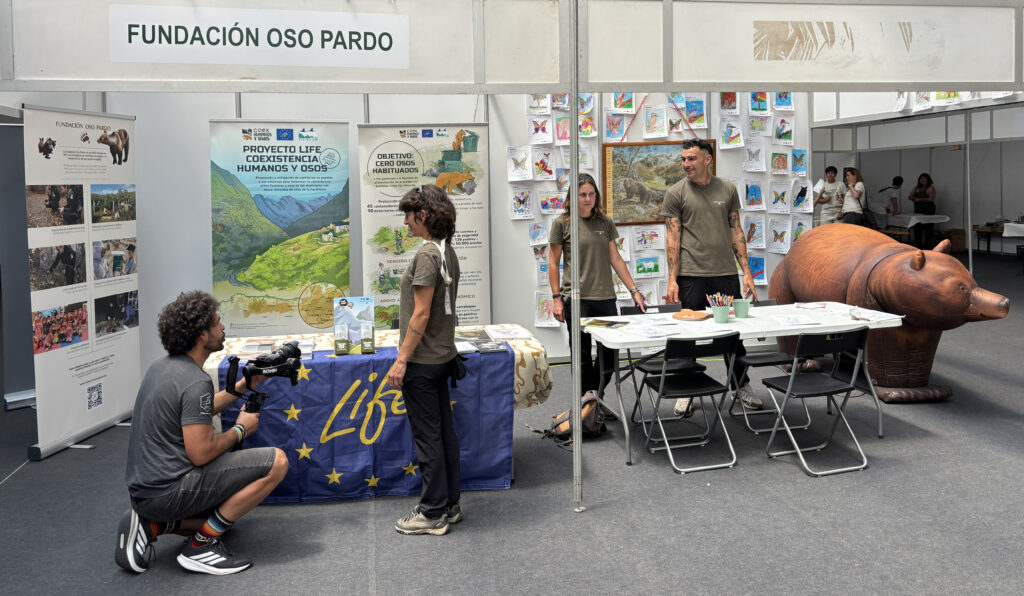
This June, the Brown Bear Foundation (FOP), coordinator of the project LIFE Human Bear Coex took part in two local fairs: the Narcenatur Fair, organised by the Cangas del Narcea Town Council (Asturias) from 5 to 7 June, and the fair held on 20 June in the village of Treceño (Cantabria), organised by the Valdáliga Town Council and the Cantabrian Hunting Federation. On both occasions, FOP provided information materials and organised environmental education activities.
The activities held at the FOP stand aimed to increase public knowledge and awareness of the brown bear and to showcase the actions being carried out as part of the LIFE Human Bear Coex project. While children coloured wildlife drawings and learned to identify the tracks of different species, the FOP team spoke with adult visitors, providing information and recommendations on how to prevent and mitigate potential conflicts between people and bears. Visitors were also informed about the possibility of receiving support in conflict situations, as well as about the measures needed to prevent bears from becoming habituated to human presence and to food sources of human origin. “Zero habituated bears” is the goal of the LIFE project coordinated by FOP.
FOP’s participation in local events and fairs is particularly valuable, as it provides an opportunity to establish direct contact with the people who share the territory with brown bears, as well as with those who engage in tourism and recreational activities in bear areas.
Sharing Experiences in the Pyreneeshttps://fundacionosopardo.org/wp-content/uploads/2026/08/Conferencia-ROPE-1.jpg20481536Fundación Oso PardoFundación Oso Pardohttps://fundacionosopardo.org/wp-content/uploads/2026/08/Conferencia-ROPE-1.jpg
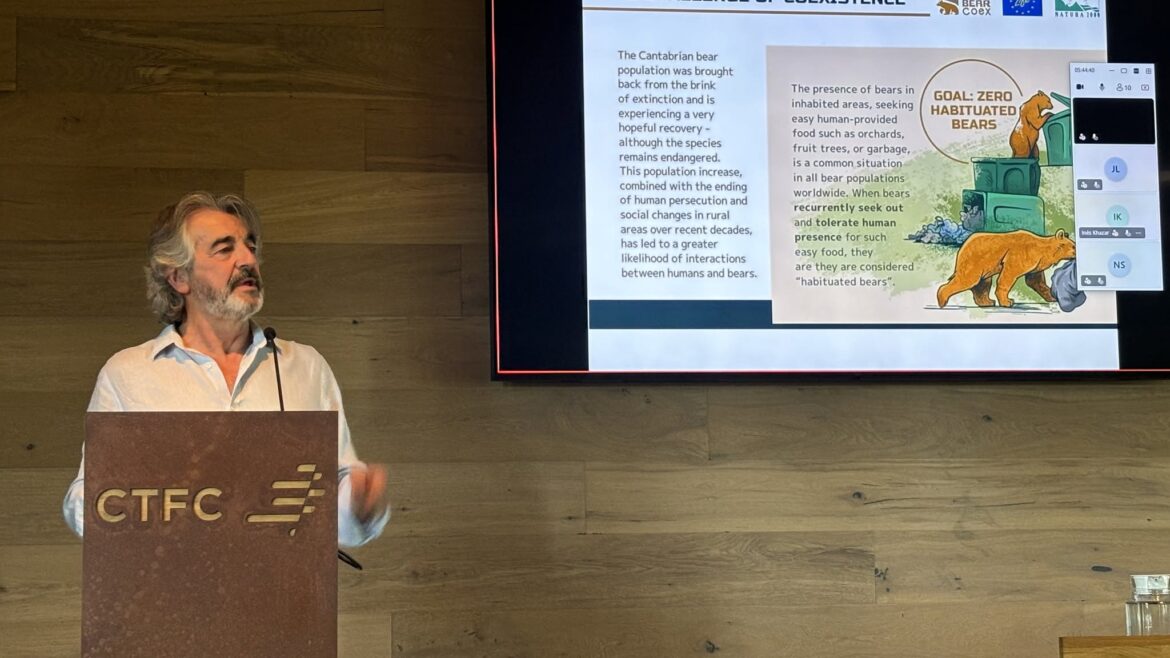
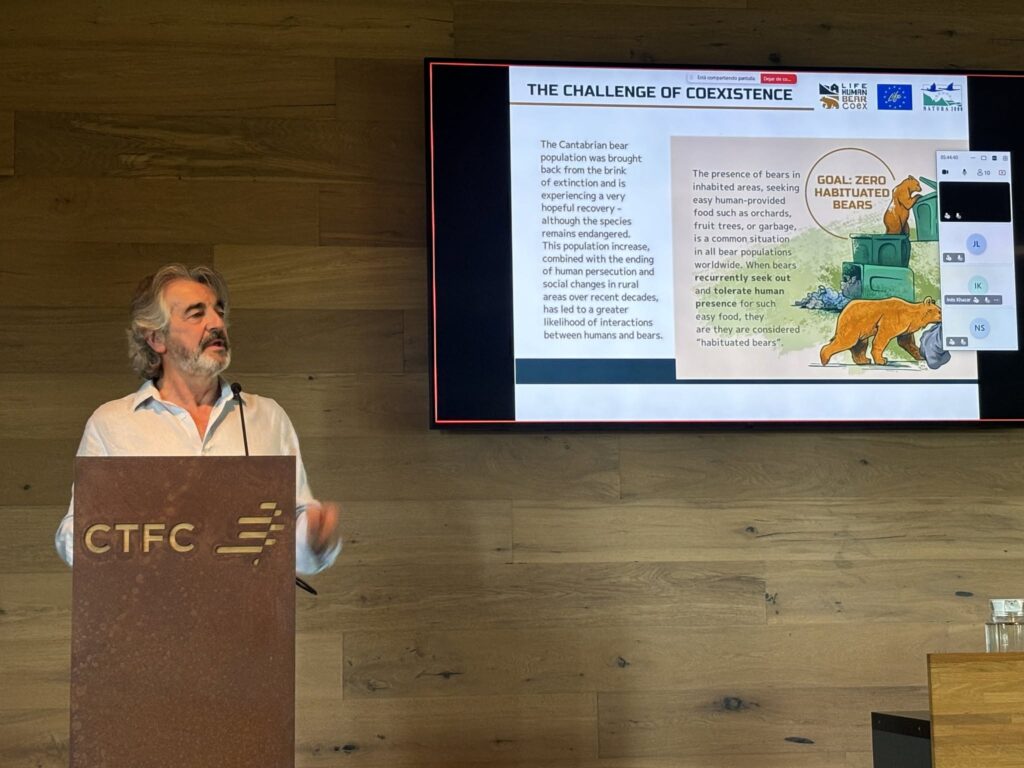
The Forest Science and Technology Center of Catalonia (CTFC), in Solsona (Lleida), hosted managers and scientists who work with brown bear populations on both sides of the Pyrenees and with other European populations, from 27 to 29 May. The meeting, now in its third edition, was organised by the Research Network on Brown bear in the Pyrenees (ROPE).
The Pyrenees are seeing a recovery in their bear population, which now numbers over one hundred individuals. The challenges of coexistence with human activities are not very different from those faced by other small bear populations across Europe. In this context, the Brown Bear Foundation (FOP) was invited to give a presentation entitled “Coexistence between People and a Growing Bear Population in the Cantabrian Mountains”, based on the experience gained through the project LIFE Human Bear Coex, coordinated by FOP and funded by the European Union.
The meeting provided an excellent opportunity to learn about progress in bear conservation in the Pyrenees, as well as to take part in a valuable exchange of experiences, knowledge and ideas with the participants.
A New Exchange with Andorrahttps://fundacionosopardo.org/wp-content/uploads/2026/08/Andorra-Culvert-1.jpg20481536Fundación Oso PardoFundación Oso Pardohttps://fundacionosopardo.org/wp-content/uploads/2026/08/Andorra-Culvert-1.jpg
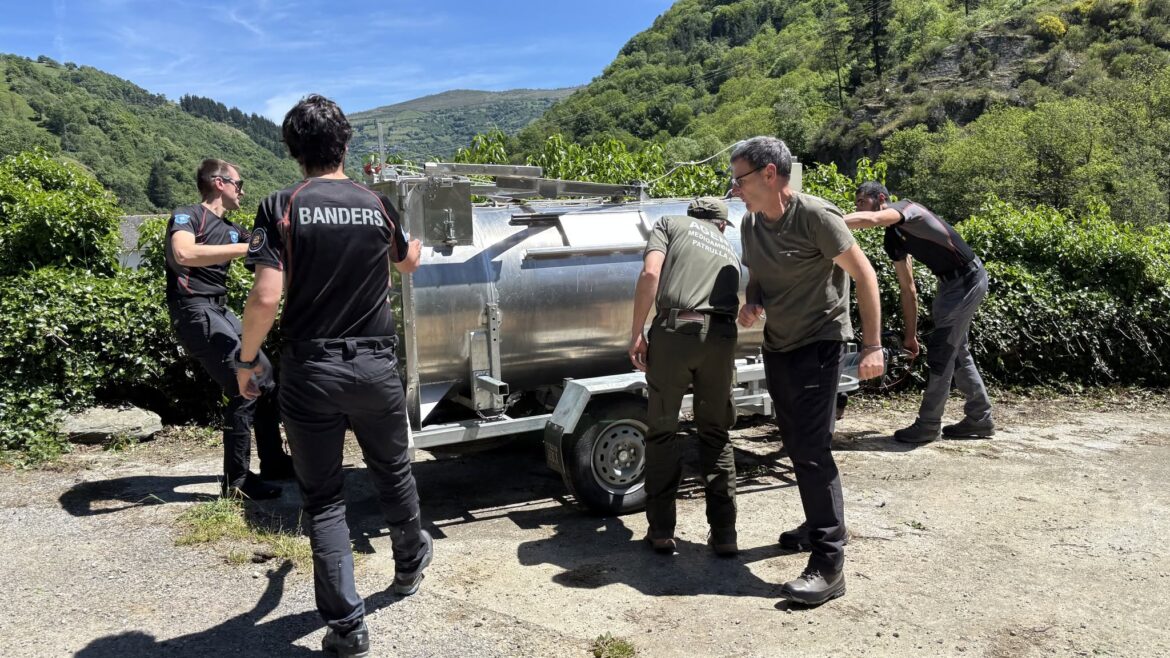
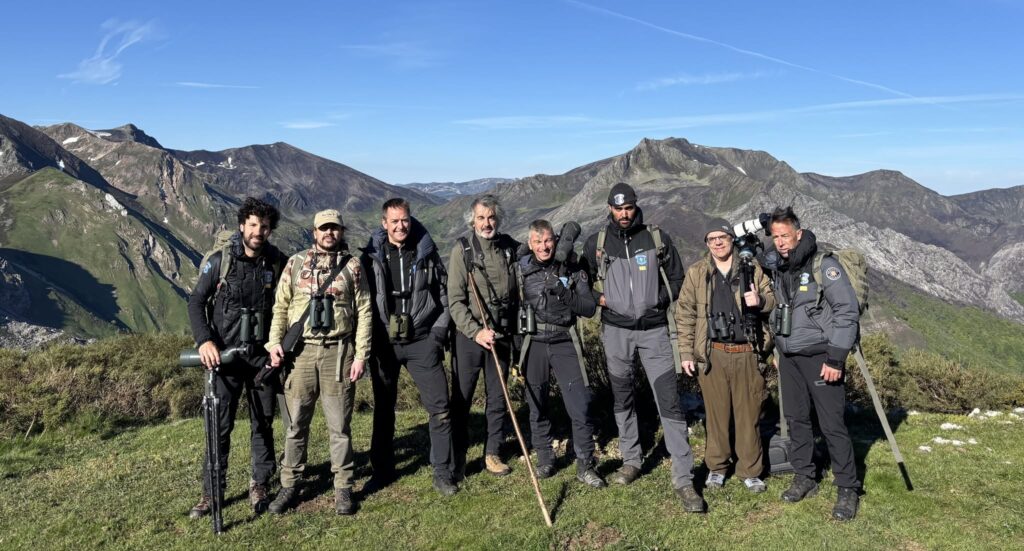
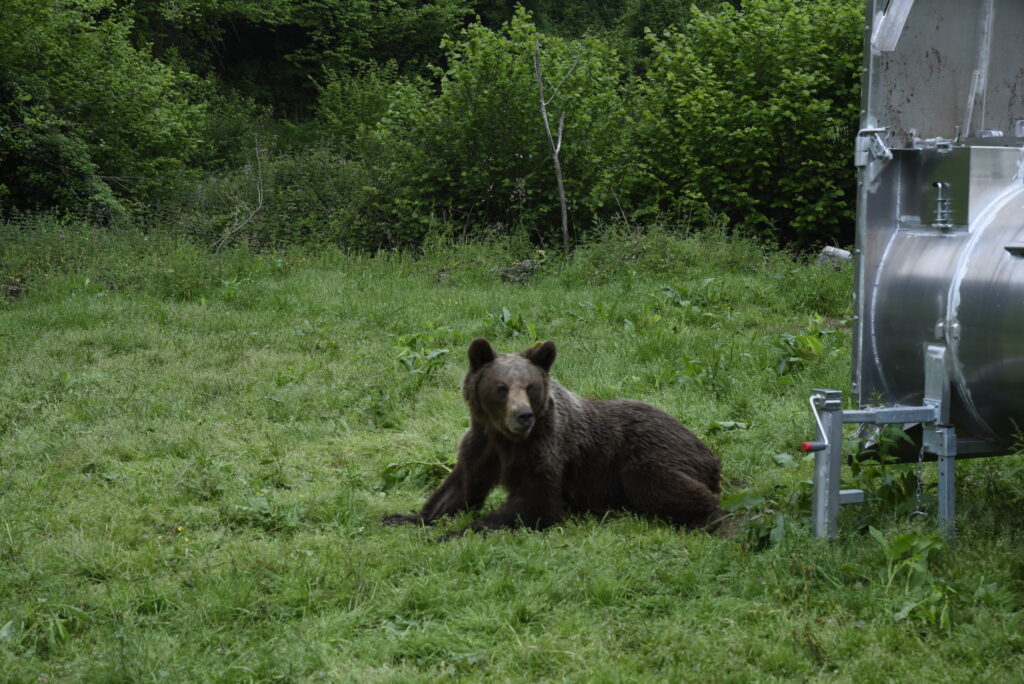
In recent years, the spectacular mountains of Andorra have been visited by bears coming from the neighboring territories of France and Catalonia. With the aim of ensuring the coexistence of bears and human activities, the Andorran environmental authorities organized a new meeting between the Cos de Banders (Andorra’s environmental rangers) and the Brown Bear Foundation (FOP). During their stay in the western Cantabrian Mountains, the two teams shared experiences and lessons learned. Together with Asturian environmental rangers, they also installed a Culvert trap for capturing bears, and had the opportunity to observe several brown bear individuals.
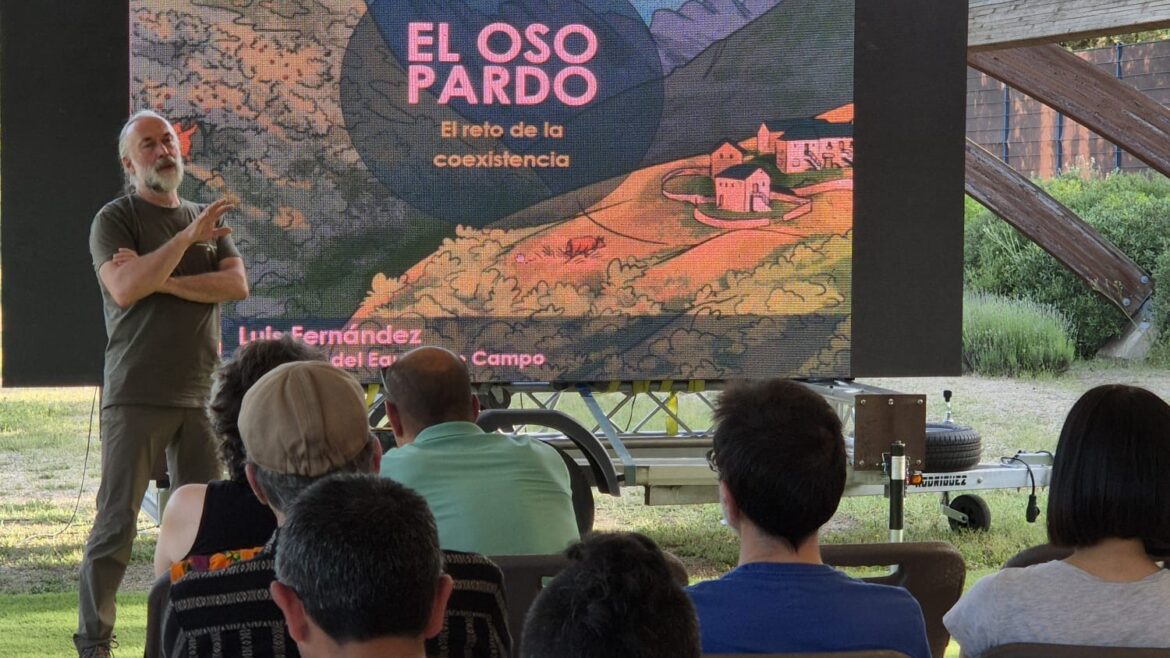
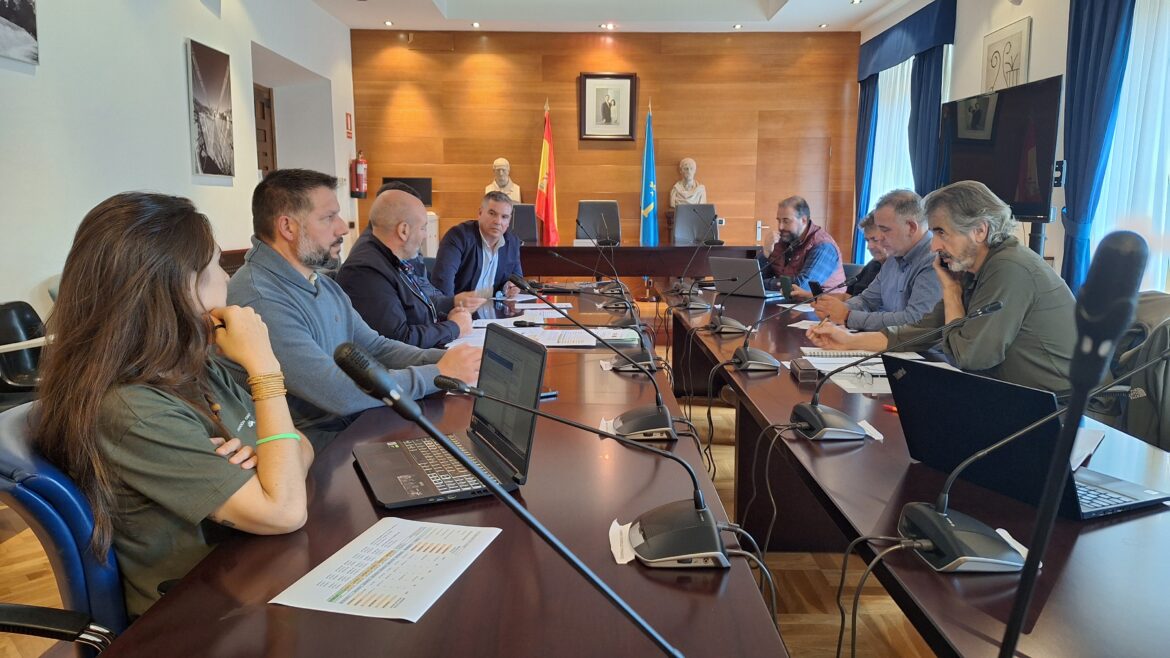
During one of the days, the Andorran team had the opportunity to learn about and discuss Cantabrian brown bear management with authorities, experts, and environmental rangers from the Principality of Asturias. The meeting took place at the Somiedo Natural Park Interpretation Centre and was also attended by the Mayor of Somiedo, who spoke about the economic benefits that bears bring to the municipality and the lessons learned about coexistence.
Meetings between teams working with bears in different territories and countries are always valuable and highly interesting, as they provide an opportunity to discuss problems and solutions and to share common challenges in bear and biodiversity conservation.
The meeting took place as part of the LIFE Human Bear Coex project, coordinated by FOP and funded by the European Union.
Ongoing Outreach and Awareness-Raising for Human-Bear Coexistencehttps://fundacionosopardo.org/wp-content/uploads/2026/08/9-1.jpeg15002000Fundación Oso PardoFundación Oso Pardohttps://fundacionosopardo.org/wp-content/uploads/2026/08/9-1.jpeg
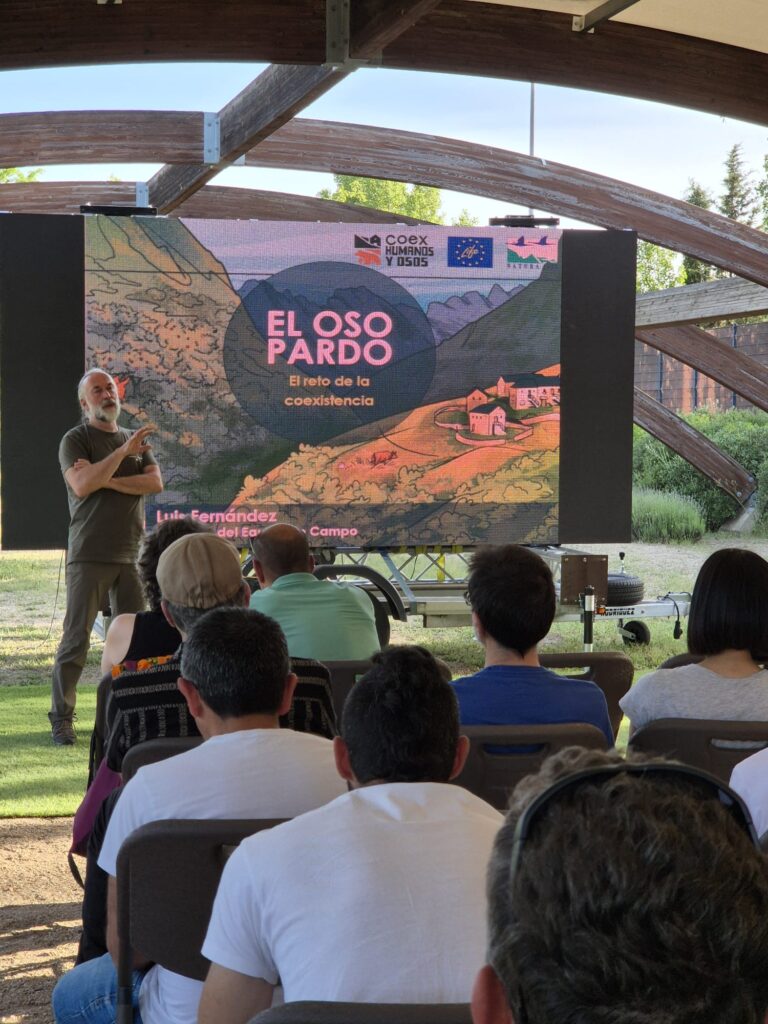
Last Thursday, 21 May, the Brown Bear Foundation (FOP) had the opportunity to speak at the VíaNatur Film Festival about the need to implement conflict prevention and mitigation measures to facilitate coexistence between bears and local residents in bear areas. In this context, the FOP, together with the municipalities with the highest bear densities in the western Cantabrian Mountains, is developing the LIFE Human Bear Coex project, which includes measures such as protecting beehives and other property with electric fences and deterrents, installing bear-proof waste container covers, and capturing and radio-tracking habituated bears in Asturias.
In addition, two films produced by the FOP were screened: one about the lives of Cantabrian brown bears throughout the four seasons, featuring footage recorded by the field team, and an animated short film offering advice on how to safely explore brown bear habitat in the mountains.
This event was part of the extensive programme of the third edition of the VíaNatur Film Festival, which focuses on threatened wild mammals and is being held from 17 to 24 May in Valladolid. Initiatives such as this create a much-needed space for educational and critical reflection, helping to raise awareness about the importance of protecting the environment.
Six Habituated Brown Bears Captured in Asturias in 2025 to Move Them Away from Populated Areashttps://fundacionosopardo.org/wp-content/uploads/2026/08/Liberacion-osa-capturada-y-marcada-en-Belmonte-de-Miranda_2-1-scaled.jpg25601709Fundación Oso PardoFundación Oso Pardohttps://fundacionosopardo.org/wp-content/uploads/2026/08/Liberacion-osa-capturada-y-marcada-en-Belmonte-de-Miranda_2-1-scaled.jpg
Throughout 2025, six brown bears were relocated in Asturias to prevent potential conflicts with local residents and their activities. The tagging and subsequent radio-tracking of the bears are among the measures included in the project LIFE Human Bear Coex, coordinated by the Brown Bear Foundation (FOP).
In all six cases, the animals were relocated because they had shown signs of becoming habituated to inhabited areas or had repeatedly caused damage in the localities of Tabladiel.lu, Chanu, Pousada de Rengos, Los Eiros, Pontarás (Cangas del Narcea), and Funduveigas (Degaña).
The interventions were carried out by teams from the Joint Institute for Biodiversity Research (IMIB), the Brown Bear Foundation (FOP), la Fundación Oso Asturias, technicians from the Directorate-General for Territorial Stewardship and the Directorate-General for Agricultural Planning, as well as environmental officers. The interventions were carried out while ensuring the safety and welfare of the bears at all times.
In addition, other conflict-prevention measures have been implemented in Asturias as part of the LIFE project, including the installation of bear-proof container covers and the provision of electric fencing to local residents and farmers to protect vegetable gardens, beehives, and livestock buildings at various locations throughout the region.
Coordination of Work for Coexistence in Asturiashttps://fundacionosopardo.org/wp-content/uploads/2025/11/20251022_130114.jpg-scaled.jpeg25601441Fundación Oso PardoFundación Oso Pardohttps://fundacionosopardo.org/wp-content/uploads/2025/11/20251022_130114.jpg-scaled.jpeg
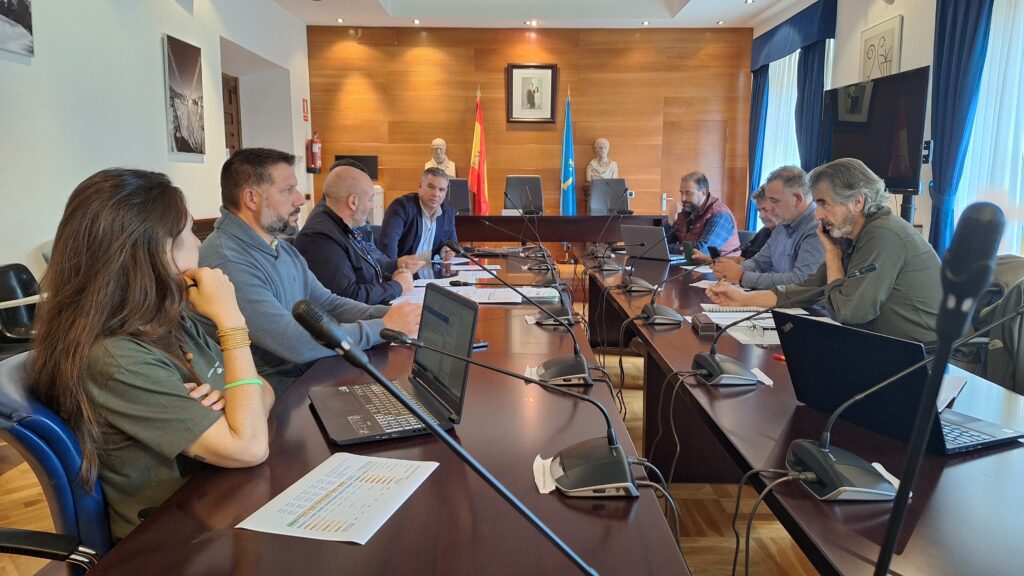
On 22 October, Cangas del Narcea Town Hall hosted a working meeting of the six Asturian municipalities participating in the project LIFE Human Bear Coex, together with the Principality of Asturias, an associated partner in the project, and the Brown Bear Foundation (FOP), the project coordinator.
The municipalities of Somiedo, Belmonte de Miranda, Proaza, Cangas del Narcea, Degaña and Ibias are home to the largest brown bear population in Asturias and, together with three municipalities in León — Villablino, Páramo del Sil and Palacios del Sil — are leading the project at the local level. The project is funded by the European Union’s LIFE Programme.
The aim of the project is to prevent and mitigate both current and future conflicts between bears and people. Through measures such as the installation of electric fencing and bear-proof waste-container covers, among other actions, the project seeks to ensure that there are zero bears habituated to human presence or to food sources of human origin in the Cantabrian Mountains.
The working meetings provide a forum for discussion and exchange, where progress on the project’s actions is shared and the next steps are planned. They are also an essential tool for effective management and mutual learning, fostering the exchange of knowledge and experience.
A Quercus supplement dedicated to coexistence with the brown bearhttps://fundacionosopardo.org/wp-content/uploads/2026/08/Quercus-Octubre-2025_2.jpg664510Fundación Oso PardoFundación Oso Pardohttps://fundacionosopardo.org/wp-content/uploads/2026/08/Quercus-Octubre-2025_2.jpg
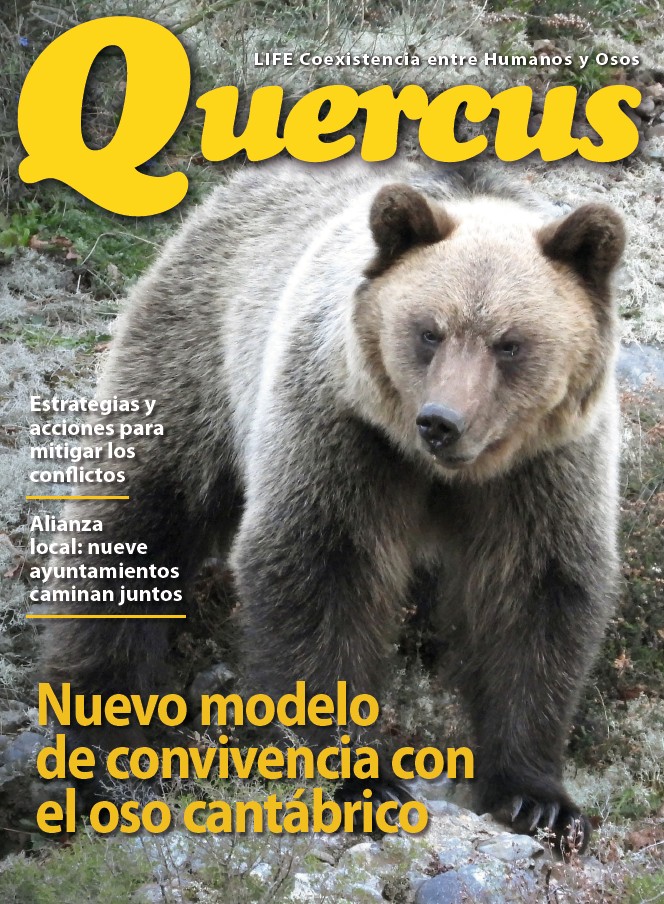
GPS tracking of bears to help mitigate conflicts in villages and their surrounding areas, the use of deterrents and electric fencing to reduce bear-related damage, and the use of bear-proof waste container covers are among the topics addressed in the supplement to the October issue of Quercus magazine.
The Brown Bear Foundation (FOP), coordinator of the project LIFE Human Bear Coex, is the author of the supplement’s content. It was prepared to raise awareness of the actions carried out among this project, which is funded by the European Union.
Quercus, a magazine dedicated to the observation, study, and protection of nature, has been published for almost half a century and is undoubtedly one of the leading Spanish publications specializing in nature and wildlife.
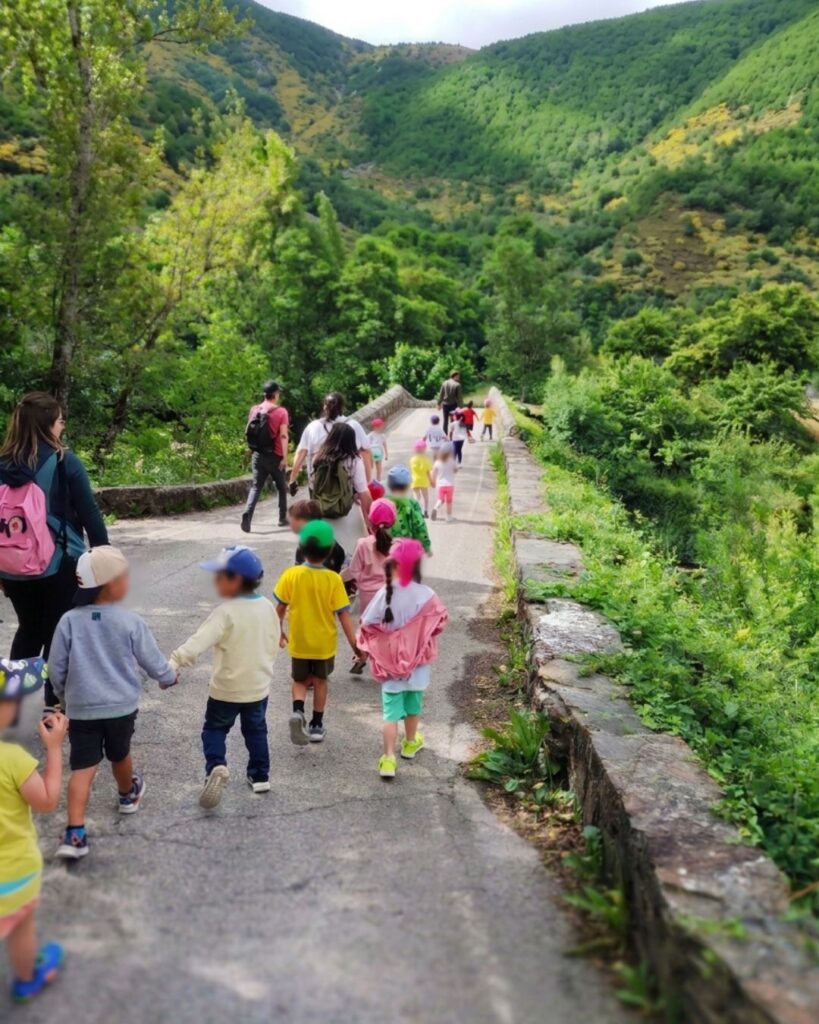
Environmental Education to Promote Coexistence with the Brown Bearhttps://fundacionosopardo.org/wp-content/uploads/2025/09/edu-ambiental.jpg10801350Fundación Oso PardoFundación Oso Pardohttps://fundacionosopardo.org/wp-content/uploads/2025/09/edu-ambiental.jpg
Schoolchildren are the future, and talks and workshops are essential to help them grow up aware of the importance of nature conservation and the challenges it entails. For several decades, the Brown Bear Foundation (FOP) has regularly visited schools throughout the Cantabrian Mountains, drawing on the extensive experience gained through the Huella Educational Programme, with storytelling sessions, children’s workshops, and educational field trips that have been enjoyed by several generations of schoolchildren.
As part of the LIFE Human Bear Coex project, coordinated by FOP, a range of activities are carried out, including field trips, classroom talks and activities, and workshops held during local fairs and events. Both the educational materials and the activities are adapted to the different ages of the participants and are designed to convey information in an engaging and appealing way.
Utilizamos cookies para optimizar nuestro sitio web y nuestro servicio.
Funcional
Siempre activo
El almacenamiento o acceso técnico es estrictamente necesario para el propósito legítimo de permitir el uso de un servicio específico explícitamente solicitado por el abonado o usuario, o con el único propósito de llevar a cabo la transmisión de una comunicación a través de una red de comunicaciones electrónicas.
Preferencias
El almacenamiento o acceso técnico es necesario para la finalidad legítima de almacenar preferencias no solicitadas por el abonado o usuario.
Estadísticas
El almacenamiento o acceso técnico que es utilizado exclusivamente con fines estadísticos.El almacenamiento o acceso técnico que se utiliza exclusivamente con fines estadísticos anónimos. Sin un requerimiento, el cumplimiento voluntario por parte de tu Proveedor de servicios de Internet, o los registros adicionales de un tercero, la información almacenada o recuperada sólo para este propósito no se puede utilizar para identificarte.
Marketing
El almacenamiento o acceso técnico es necesario para crear perfiles de usuario para enviar publicidad, o para rastrear al usuario en una web o en varias web con fines de marketing similares.

 This event was part of the extensive programme of the third edition of the VíaNatur Film Festival, which focuses on threatened wild mammals and is being held from 17 to 24 May in Valladolid. Initiatives such as this create a much-needed space for educational and critical reflection, helping to raise awareness about the importance of protecting the environment.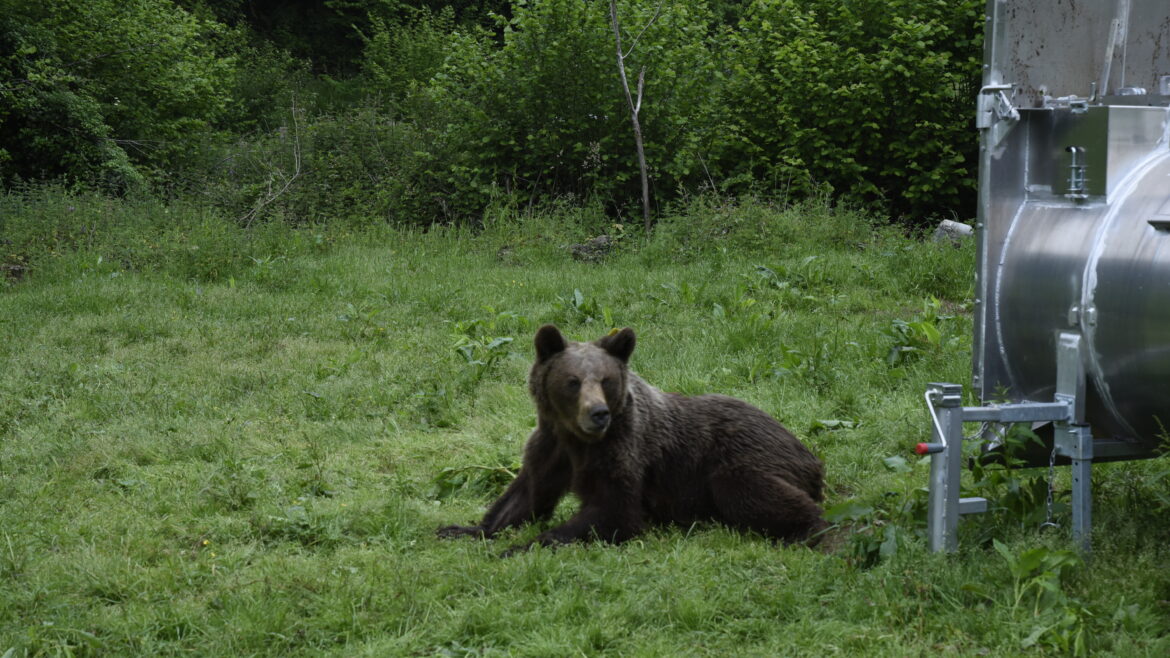
 GPS tracking of bears to help mitigate conflicts in villages and their surrounding areas, the use of deterrents and electric fencing to reduce bear-related damage, and the use of bear-proof waste container covers are among the topics addressed in the supplement to the October issue of Quercus magazine.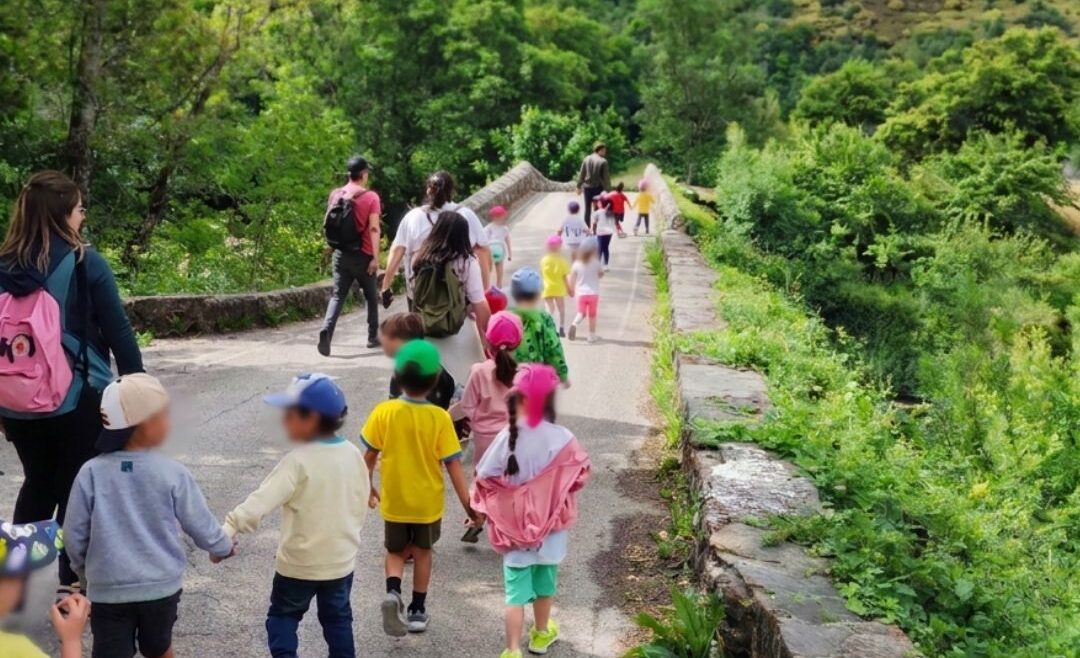
 Schoolchildren are the future, and talks and workshops are essential to help them grow up aware of the importance of nature conservation and the challenges it entails. For several decades, the Brown Bear Foundation (FOP) has regularly visited schools throughout the Cantabrian Mountains, drawing on the extensive experience gained through the Huella Educational Programme, with storytelling sessions, children’s workshops, and educational field trips that have been enjoyed by several generations of schoolchildren.