LIFE Bears with future

We continue to champion the exchange of ideas, actions, and experiences in support of coexistence with bears in other European populations

We continue to champion the exchange of ideas, actions, and experiences in support of coexistence with bears in other European populations 2048 1528 Fundación Oso Pardo

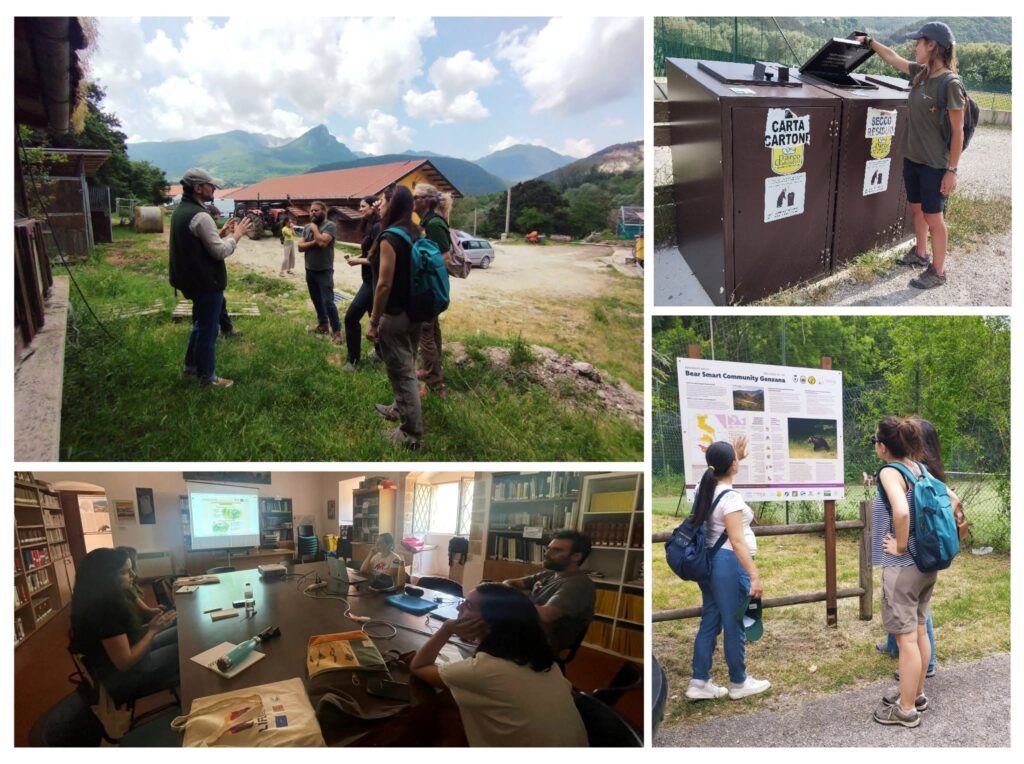
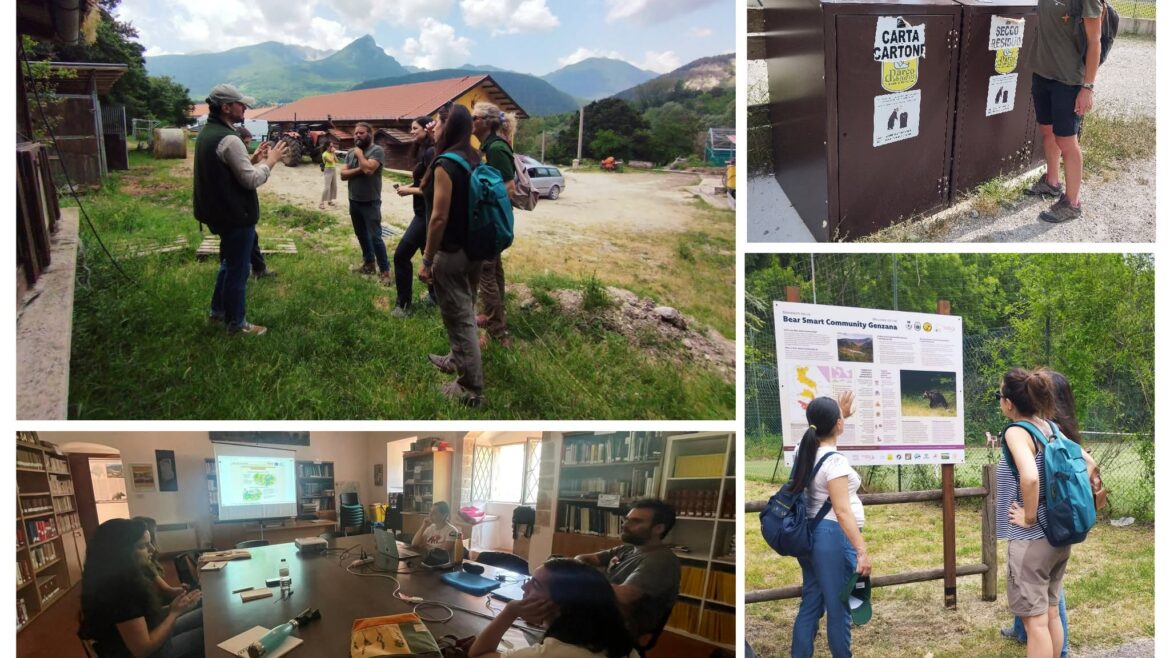
María Párraga, Marina Gaona, and Alicia Madrid, members of the technical and field team of the LIFE Human Bear Coex project coordinated by the FOP, visited the Abruzzo, Lazio and Molise National Park in the Italian Apennines to learn first‑hand about the actions being carried out under the LIFE Bear‑Smart Corridors project, coordinated by Rewilding Europe and whose activities also extend to the Greek bear population. Their goal: to foster the recovery of these endangered populations through measures that support their expansion and coexistence with local communities. Ours: to prevent and mitigate conflicts in villages and surrounding areas in order to promote coexistence between humans and bears in the municipalities with the highest density of this species in the Cantabrian Mountains. Two projects advancing toward the same purpose in different European settings.

During the visit, the team had the opportunity to explore the project in depth and observe its actions on the ground. By meeting with local ranchers, farmers, and beekeepers, they gained first‑hand insight into social perceptions of bears in the region, the preventive measures being implemented to protect henhouses, herds, orchards, and hives, and how effective these measures are. Together with technicians and rangers from the National Park, they also exchanged valuable ideas and best practices on conflict management and the importance of developing strategies that encourage awareness and participation across all levels of society.

Opportunities like this make it possible to continue taking coordinated and effective steps toward peaceful coexistence with an emblematic species that is gradually reclaiming its future, even in the small communities of southern Europe.

Compartir esta publicación

Final review of four years of LIFE ‘Bears with a Future’

Final review of four years of LIFE ‘Bears with a Future’ 1600 1066 Fundación Oso Pardo

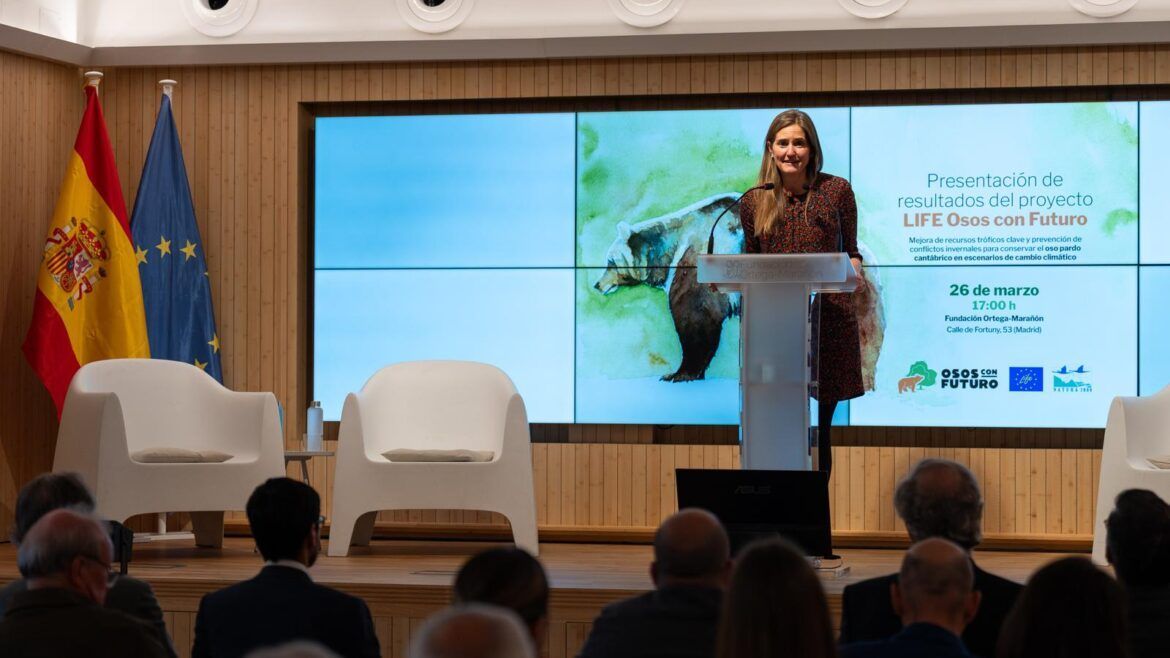
The LIFE ‘Bears with Future’ project has come to a close after more than four years of work, celebrated at an event that brought together all those who contributed to making it possible. The closing event, held on Wednesday, March 26 at the Fundación Ortega-Marañón, in Madrid, was hosted by Odile Rodríguez de la Fuente and opened by Spain’s Third Vice President and Minister for the Ecological Transition and the Demographic Challenge (MITECO), Sara Aagesen.

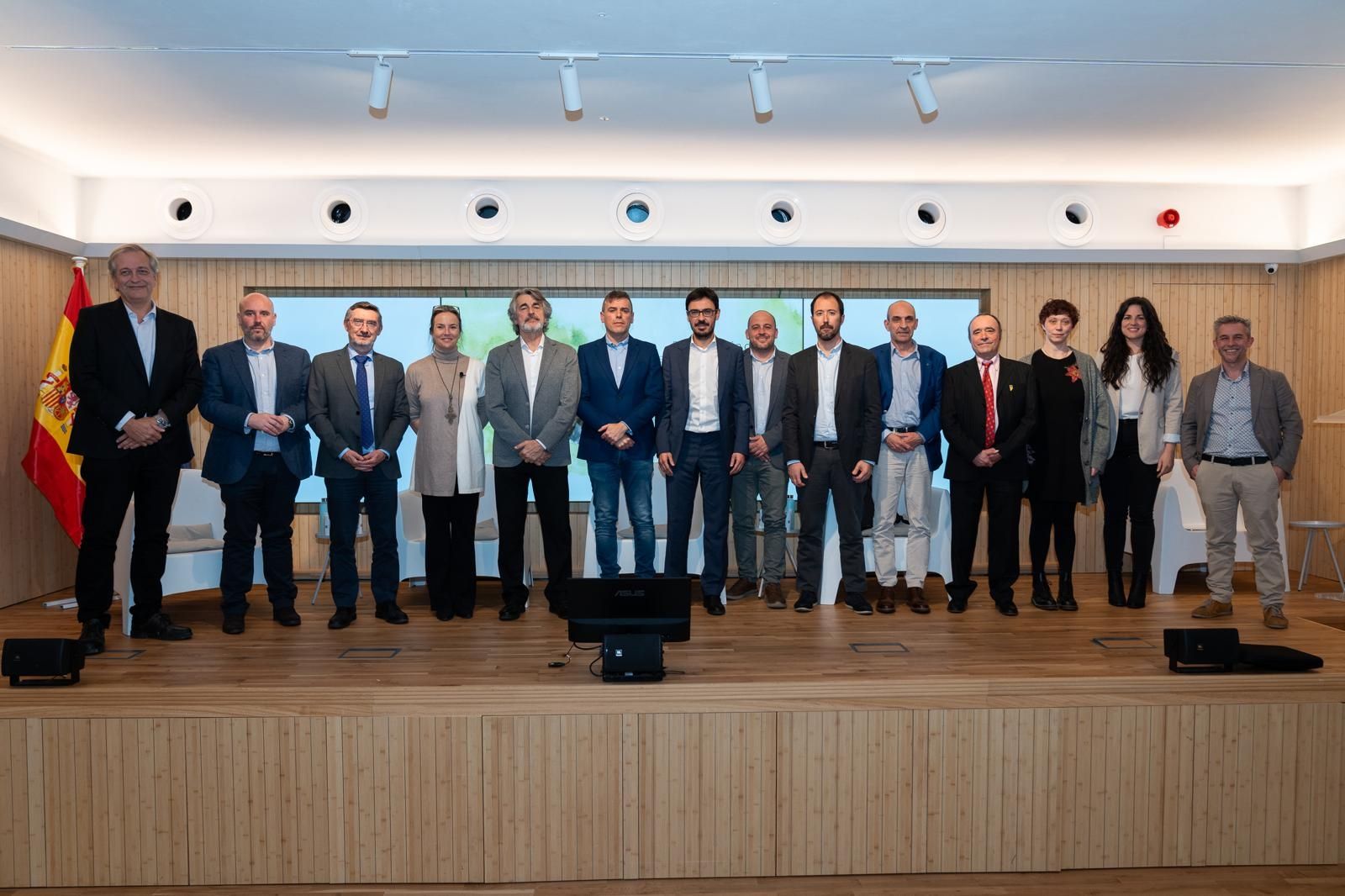
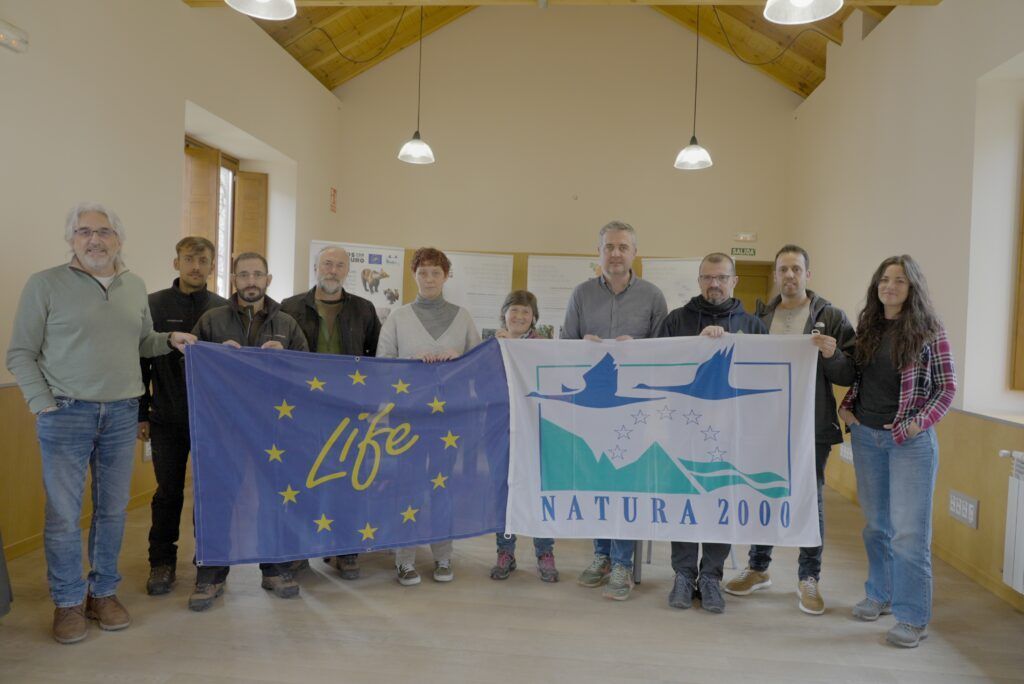
All representatives of the entities involved in the project, at the final event.

The event also featured the participation of Marcos Da Rocha, Director General of Agrarian Planning from the Regional Ministry of Rural Affairs and Agrarian Policy of the Principality of Asturias; José Ángel Arranz, Director General of Natural Heritage and Forest Policy from the Regional Ministry of Environment, Housing and Land Planning of the Government of Castile and León; Fernando Magdaleno, Deputy Director of Terrestrial Biodiversity at MITECO; Ignacio Torres, Deputy Director of Biodiversity and Climate Change at Fundación Biodiversidad (MITECO); and Guillermo Palomero, President of the Brown Bear Foundation. Paloma Aba, Director of the European Climate, Infrastructure and Environment Executive Agency of the European Commission, addressed the audience by a video message. Representatives of all project partners and collaborators also took part, making the event a celebration of shared success.
All information about the event and the project’s outcomes can be found in more detail at the following link. The full video of the event is also available here.
The LIFE ‘Bears with a Future’ project is coordinated by FOP and supported by Fundación Biodiversidad (MITECO) and Fundación Patrimonio Natural of the Government of Castile and León. The regional governments of Castile and León and the Principality of Asturias also collaborate, along with Fundación Tierra Pura.
Compartir esta publicación

Science and Conservation: Final review meeting of the Scientific Committee for the LIFE ‘Bears with a Future’ project.

Science and Conservation: Final review meeting of the Scientific Committee for the LIFE ‘Bears with a Future’ project. 2560 1710 Fundación Oso Pardo

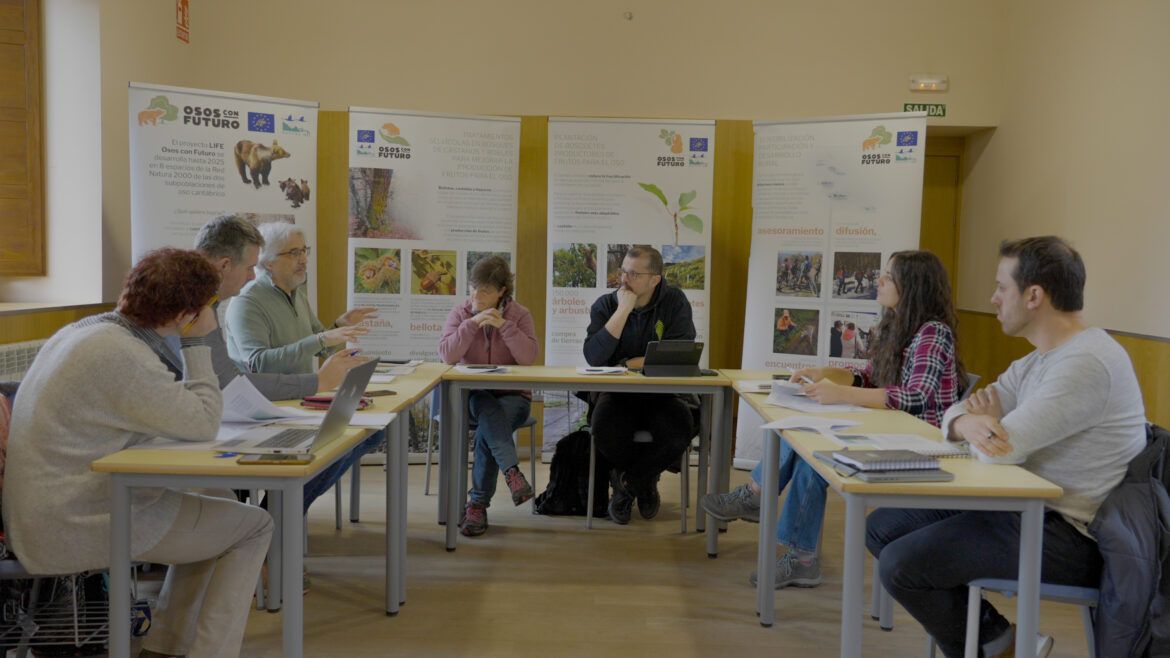
On Thursday, March 6, the fourth meeting of the Scientific Committee of the LIFE project ‘Bears with Future’ was held in Villablino (León). The project is approaching its conclusion on March 31. Participating in this evaluation meeting were researchers Pedro Álvarez-Álvarez from the University of Oviedo, Emilio R. Díaz and María J. Lombardero from the University of Santiago de Compostela, Fernando Castedo from the University of León, and the technical team from the Brown Bear Foundation (FOP).

The meeting served to shape the main conclusions of the project, highlight the milestones achieved, and extract the lessons learned. A final document was drafted with key guidelines for valuing traditional chestnut groves, focusing both on profitable nut production and the conservation of these biodiversity-rich ecosystems, always emphasizing the importance of synergy between science and conservation in all the studies.

In addition, the team visited one of the chestnut groves included in the pilot project to assess its current condition and exchange opinions on the success of the treatments carried out. Updated scientific information and expert advice from researchers remain fundamental to the design, implementation, and monitoring of all actions carried out by FOP across all our projects.

The LIFE ‘Bears with a Future’ project is coordinated by FOP and supported by Fundación Biodiversidad, under Spain’s Ministry for the Ecological Transition and the Demographic Challenge (MITECO), and Fundación Patrimonio Natural of the Regional Government of Castile and León. The regional administrations of Castile and León and the Principality of Asturias also collaborate in the project, alongside Fundación Tierra Pura.

Compartir esta publicación

The «Hunting Safely in Bear Mountains» campaign has been presented as part of the LIFE project ‘Bears with a Future’.

The «Hunting Safely in Bear Mountains» campaign has been presented as part of the LIFE project ‘Bears with a Future’. 2560 1920 Fundación Oso Pardo

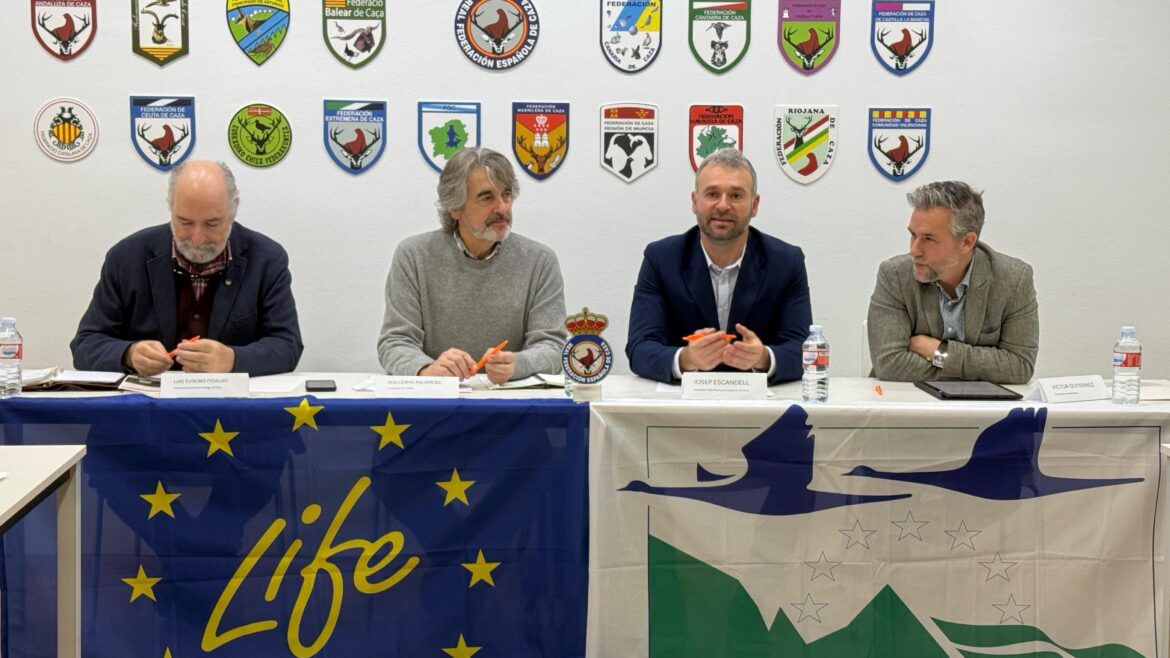
On Tuesday, February 4th, the Hunting Federations of Asturias, Castile and León, Cantabria, and Galicia, the Biodiversity Foundation, and the Brown Bear Foundation (FOP) presented an information and awareness campaign aimed at hunters at the headquarters of the Royal Spanish Hunting Federation (RFEC) to ensure that hunting activities run smoothly and are compatible with brown bear conservation. The campaign is part of the information, training, and awareness-raising activities for stakeholders and interest groups within the LIFE Project «Bears with a Future,» coordinated by the FOP. The presentation was attended by Josep Escandell, president of the RFEC; Víctor Gutiérrez, coordinator of the Ecosystem Conservation and Restoration Area of ​​the Biodiversity Foundation of MITECO; Luis Eusebio Fidalgo, representative of the Galician Hunting Federation; and Guillermo Palomero, president of the Brown Bear Foundation.

In his speech, Josep Escandell emphasized the importance of conservationists and hunters, «entities that were once perceived as antagonistic, cooperating and working for decades» for the conservation of the brown bear and the development of hunting practices in these bear-producing areas. In this regard, he advocated continuing to promote these good practices «to avoid future accidents involving bears» and to put an end to poaching, a type of crime «that has nothing to do with hunting and that tarnishes the name of good hunters, who have been involved for years in the conservation of species such as the bear, the lynx, and the imperial eagle, among others.»

For his part, Víctor Gutiérrez highlighted the importance of cooperation between administrations, sectors, and civil society to address the challenges of the climate crisis and biodiversity loss. “It is essential that we all promote climate change adaptation measures that make it possible to reconcile socioeconomic activities with the conservation of natural values,” Gutiérrez emphasized.

Luis Eusebio Fidalgo emphasized the importance of brown bear conservation and maintaining collaboration among all sectors with interests in the natural environment. He added that “it is essential to respect the uses and customs of the natural environment so that everyone (ranchers, farmers, hunters, beekeepers, etc.) can harmoniously combine their activities with the presence of the bear and the recovery of the species.”

Furthermore, in addition to congratulating the Brown Bear Foundation for the recovery of the bear population on the Cantabrian coast, he stated that “guaranteeing the recovery of the species also requires establishing the environment’s capacity to sustain it and, when necessary, taking appropriate management measures to ensure the growth of the species while avoiding conflicts between different groups.”
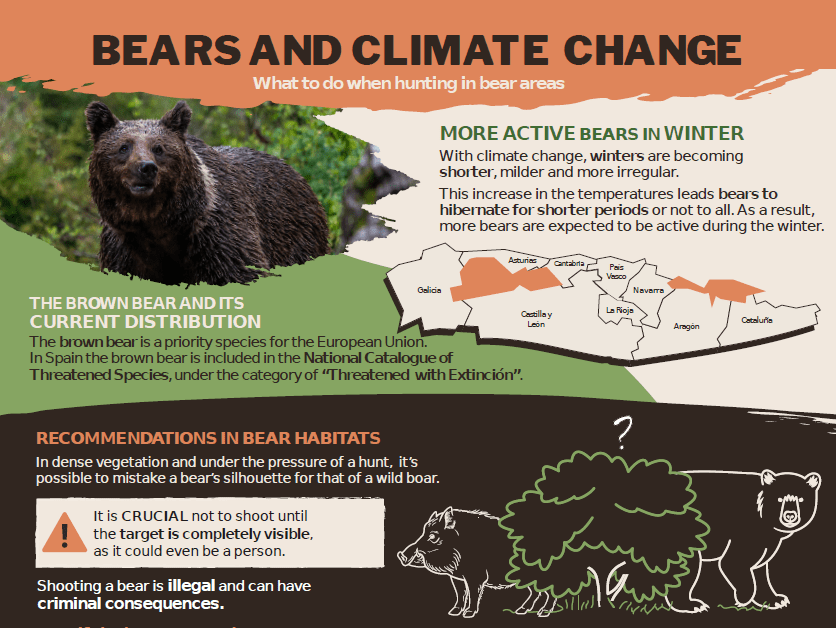
Finally, Guillermo Palomero emphasized that the Cantabrian landscape is changing due to climate change, and «we have bears active throughout the entire wild boar hunting season during a drive. This is something that Cantabrian hunters need to know, as well as how to react to the presence of bears during a drive. To this end, we work together with hunting federations to provide information to as many hunters as possible and ensure safe hunting in the bear forests.»

Finally, the presidents of the hunting federations participating in the campaign spoke, delivering messages that, in summary, stated that the brown bear is no longer in critical danger of extinction thanks to the joint work of many stakeholders, including the long-standing commitment of hunting federations. We now have more bears and they no longer feel so persecuted. This forces the sector to make efforts to prevent incidents between hunters and bears and ensure hunting activities compatible with the presence of bears.

Hunting has always been a deeply rooted social activity in bear-hunting territories. Therefore, for years, Cantabrian hunting associations and federations and the FOP have been working together to improve hunting practices in bear-hunting territories by publishing hunting manuals for bear areas, equipping and training game wardens, clearing hunting positions, and searching for and removing illegal snares, among other campaigns and actions.

THE PROJECT «LIFE BEARS WITH FUTURE»

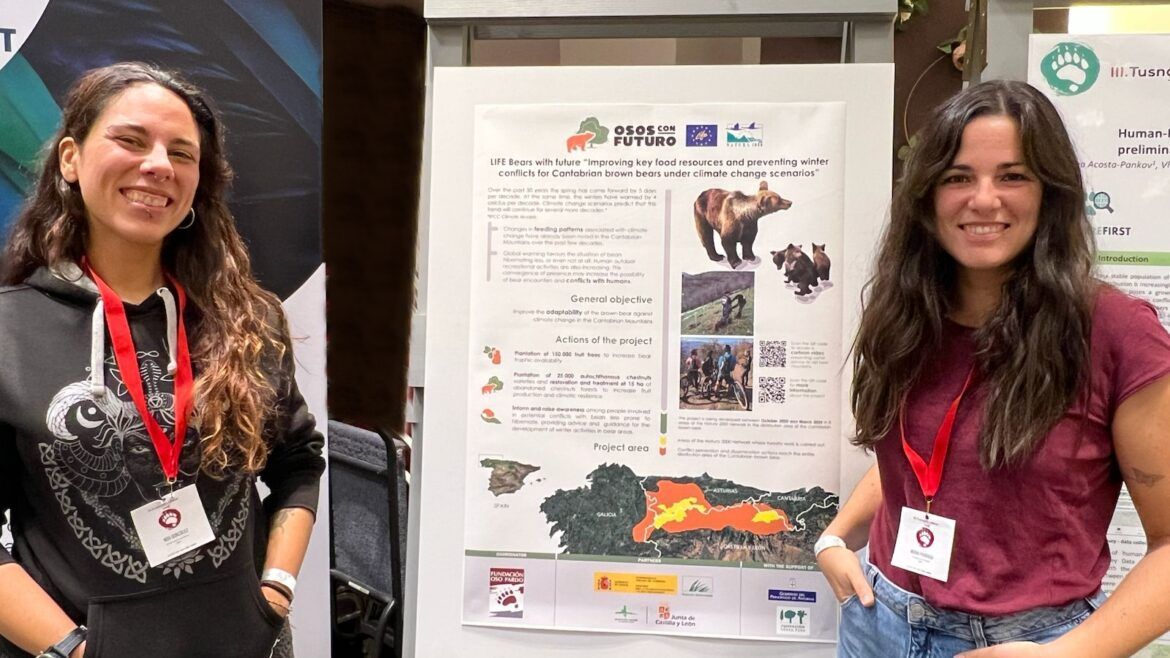
The LIFE Project «Bears with a Future» aims to improve the brown bear’s adaptability to climate change in the Cantabrian Mountains, contributing to achieving a Favorable Conservation Status for the species in the medium and long term. This project takes an ecosystem approach and promotes best practices and solutions that favor the expansion of bears’ food resources and the prevention of conflicts with human activities.

In line with this objective, work has already been done, for example, to contribute to improving food availability in climate change scenarios by planting and managing small groves of native species that produce summer and winter fruits for bears and are low in climate vulnerability, to offset the expected reduction in other food resources. To date, 110,000 fruit trees and 12,000 native chestnut trees have been planted within the framework of this project.

Another objective of the project is to inform and raise awareness among stakeholders who may be involved in greater conflicts with bears due to their reduced tendency to hibernate, providing advice and guidance for developing winter activities in bear-producing areas. The campaigns have been specifically targeted at mountaineers, mycologists, nature photographers, and, in this case, hunters, leveraging the reach of these groups’ federation movement.

The «Bears with a Future» project, co-financed by the European Union’s LIFE program, is coordinated by the Brown Bear Foundation and has as partners the Biodiversity Foundation of the Ministry for Ecological Transition and the Demographic Challenge and the Natural Heritage Foundation of Castilla y León, an entity dependent on the Ministry of Environment, Housing and Territorial Planning of the Regional Government of Castilla y León. It is supported by the Government of Asturias, through the General Directorate of the Natural Environment and Rural Planning of the Ministry of Rural Development, Livestock and Fisheries, as well as the Tierra Pura Foundation.

Compartir esta publicación

The LIFE ‘Bears with a Future’ project continues working to make the Cantabrian Mountains more habitable for brown bears

The LIFE ‘Bears with a Future’ project continues working to make the Cantabrian Mountains more habitable for brown bears 2092 1394 Fundación Oso Pardo

The year begins, and at the Brown Bear Foundation (FOP), we are facing the final stretch of our LIFE ‘Bears with a Future’ project — a project through which we are contributing to improve the adaptability of the brown bear to climate change in the Cantabrian Mountains. A new climate scenario reminds us of the urgent need to adapt food resources, whether by planting trees at higher altitudes or promoting chestnut tree plantations.

Global warming is already causing changes in how these animals hibernate. With rising temperatures and milder winters, hibernation periods will shorten — or may even disappear entirely. Temperature has a greater influence on these rest periods than food availability in the forests, which increases the likelihood of encounters and interactions between bears and people, both in the mountains and in populated areas.

Another threat the project addresses is the growing number of wildfires in the mountains of the Cantabrian range — the area with the highest frequency of wildfires in Spain and Europe, and with the largest burned surfaces in proportion. Rising temperatures are also making these fires increasingly intense and destructive year after year.

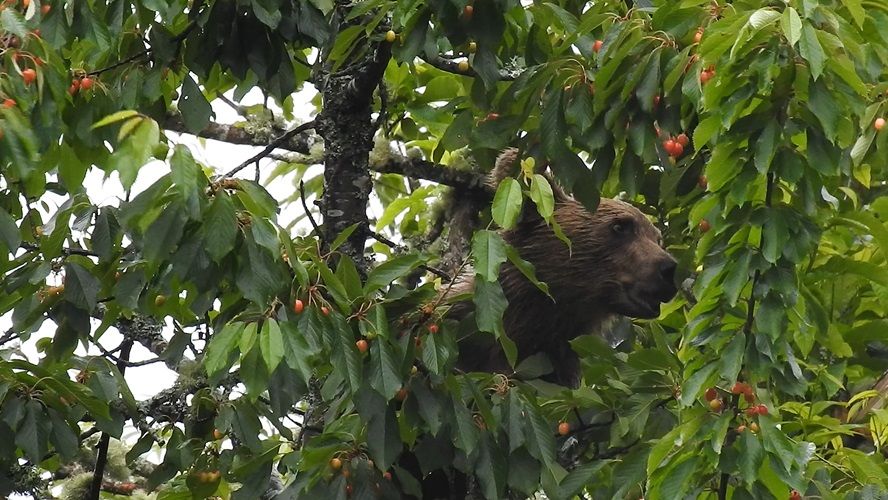
Tackling this problem is a challenge, and our project approaches it with clear, specific objectives. First, by improving the availability of food through the planting and maintenance of small forest of native trees that serve as bear food sources, such as the chestnut tree (Castanea sativa), wild cherry (Prunus avium), and crab apple (Malus sylvestris).

Another key focus is providing information to people engaging in outdoor activities in bear habitats — especially in winter — to help avoid potential encounters with bears. Finally, we believe it is essential to complete the circle of actions by sharing our results and lessons learned with managers and users of other natural areas where bears are present, both within Spain and abroad.

Through the LIFE ‘Bears with a Future’ project, co-funded by the LIFE Programme, we aim to raise awareness of the serious threats facing our extraordinary biodiversity. The project is supported by partners such as Fundación Biodiversidad and Fundación Patrimonio Natural of Castile and León, as well as by collaborators like the Government of the Principality of Asturias and Fundación Tierra Pura.

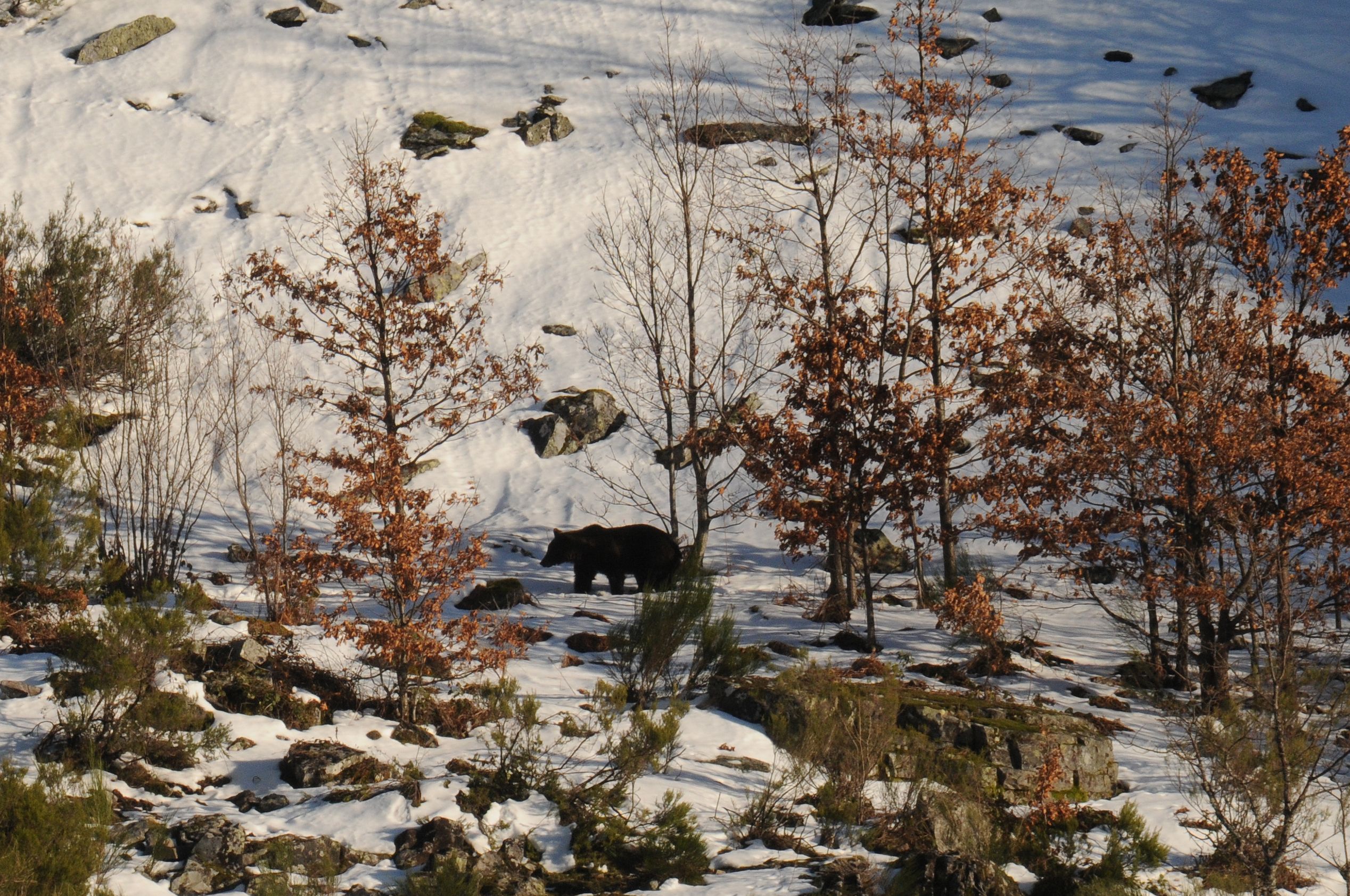
Brown bear in winter. Cantabrian Mountains / Photo FOP

Compartir esta publicación

Participating in an international conference on human-bear coexistence in Romania

Participating in an international conference on human-bear coexistence in Romania 1600 1200 Fundación Oso Pardo

Scientists and experts from a dozen European countries met at the TusnadEcoBear conference in the Carpathian Mountains to exchange experiences, discuss their diverse perspectives and present proposals for the future aimed at improving coexistence between humans and bears.

We were invited to present the actions of the LIFE Bears with a Future and LIFE Human Bear Coex projects, which aroused much interest due to their innovative approach and the exceptional local prominence of the latter. Together with our colleagues María Párraga and Noa González, from the FOP technical team, the CSIC (IMIB-CSIC) scientist José Vicente López-Bao, our scientific advisor in large carnivore conservation and conflict management projects, took part in the conference.

The venue of the conference could not have been more appropriate, as Romania is home to the largest population of brown bears on the European continent. Although the scenario is very different from the bear populations in the Cantabrian and Pyrenees, we were able to learn first-hand about the challenges for coexistence in Romania and study in detail some of the measures that are being implemented: for example, the prevention of access to rubbish with bear-proof containers.

Summaries of the presentations from the conference, which took place from 22-25 October, are available on the conference website: http://tusnadecobear.ro/conf/

The LIFE Bears with Future and LIFE Human Bear Coex projects are co-funded by the European Union.

Compartir esta publicación

Five things you should never do when exploring the mountains of the brown bear

Five things you should never do when exploring the mountains of the brown bear 2560 1440 Fundación Oso Pardo

With the arrival of spring, the Cantabrian Mountains begin to fill up with visitors, attracted by the beauty of their landscapes and their natural and cultural wealth. Citizens are increasingly appreciating and valuing the natural spaces, also to practise all kinds of recreational activities within them: hiking, cycling, climbing, trail running, nature observation and photography….

These are activities that generate resources for rural economies, and they must be carried out in a way that is respectful and compatible with the biodiversity of these mountains – including the Cantabrian brown bear: a jewel of the Iberian biodiversity that is recovering thanks to the work of administrations, NGOs and the commitment of the local population.

In Europe, bears avoid contact with people, and usually detect them well in advance, moving away discreetly without people noticing them in most cases. But as leisure activities and tourism in the bear mountains – and the population of the species – increase, so does the likelihood of a chance encounter, and it is always good to know how to behave.

At the Brown Bear Foundation (FOP) we work to raise awareness among visitors to the bear mountains: our aim is for them to enjoy them responsibly and safely, both for people and bears.

Here are five things you should never do to be a responsible visitor to bear mountains:

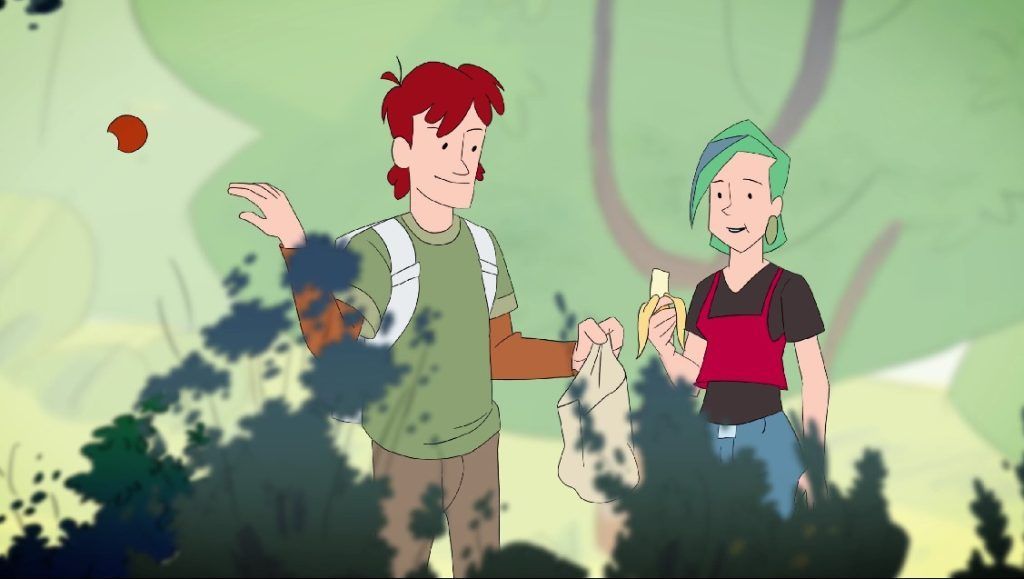
1) Never throw away food waste (and certainly no rubbish)

You could attract the attention of a bear, which has an excellent sense of smell, and also habituate it to look for food of human origin, a very negative behaviour for the animal.

2) Never follow bear tracks 

It may be tempting, but you could surprise an animal that is resting or feeding in the bush and scare it away or make it angry. In bear areas do not leave authorised paths and tracks, and do not go into dense vegetation.

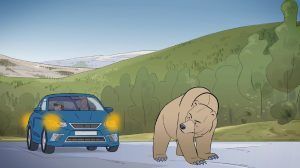
3) If you see a bear on the road, don’t chase it

If you come across a bear on the road, turn on your hazard lights and slow down or stop your car – if it is safe to do so – until the bear leaves the road. Don’t chase it: disturbing protected wildlife is a criminal offence.

Nunca persigas un oso en la carretera

4) Never approach a bear

If you see a bear in the distance, enjoy watching it without disturbing it. Approaching it, like any large animal, is not a good idea (no, not for a selfie either).

5) Do not run, shout or threaten them

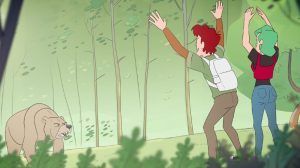
In the event of a chance encounter, make yourself noticed without aggressive gestures and speak softly, so that he identifies you and continues on his way. Walk away slowly, without blocking his escape route, showing that you are not a threat to him. If you run, threaten or shout at him, you could trigger an aggressive action.

These illustrations are taken from the video ‘Advice for visiting the mountains of the brown bear’, produced by the LIFE Bears with Future project, which contains further recommendations for enjoying these areas responsibly and safely:

The video is the work of The Glow Animation Studio, from the Glow production company, which has won the European Film Award and the Goya Award for Best Animated Film, among other awards.

The audiovisual is part of the intense awareness campaign that is being developed within the framework of LIFE Bears with Future, aimed at those who practice leisure activities in the natural areas of the Cantabrian Mountains where the brown bear lives.

The project is collaborating with groups such as mountaineering clubs and mycological societies to disseminate these good practices, offering informative talks and guided routes in which 1,700 people have already participated. 700 people have already participated, with several planned for the near future: on 16 May in Ponferrada (León), with the Asociación Micológica Berciana Cantharellus; and in Oviedo (Asturias) with the Grupo de Montañeros VETUSTA; on 23 May in Corullón (León) with the Town Council of Corullón and the Asociación Micológica Berciana Cantharellus and on 30 May in Fabero (León), together with the Town Council of the municipality and the mountain clubs Laurisilva and La Bóveda.

Coordinated by the Brown Bear Foundation (FOP), LIFE Bears with a Future is co-financed by the European Union. Project partners are the Fundación Biodiversidad of the Ministry for Ecological Transition and the Demographic Challenge (MITECO) and the Fundación Patrimonio Natural of the Regional Government of Castilla y León. The Principality of Asturias and the Fundación Tierra Pura also participate as collaborators.

Compartir esta publicación

More than 100,000 trees have been planted in northwestern Spain to secure the brown bear’s future food supply

More than 100,000 trees have been planted in northwestern Spain to secure the brown bear’s future food supply 1920 1080 Fundación Oso Pardo

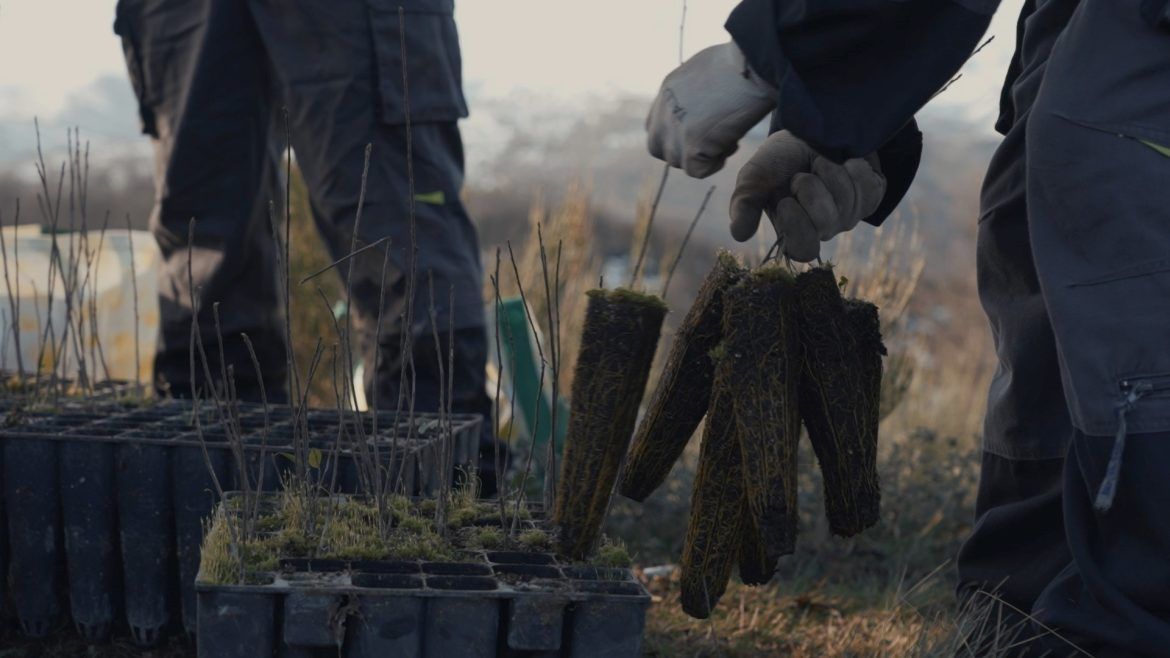
The Brown Bear Foundation (FOP) continues to work within the framework of the LIFE Bears with Future project to adapt the species’ habitat to climate change. Local work crews will finish the second planting campaign of the project in the coming days, with more than 100,000 native trees – mostly fruit bearing trees- planted since these actions began in 2022, 46,800 during this campaign.

The plantations cover 115 hectares so far and have been carried out in public lands in the municipalities of Palacios del Sil, Páramo del Sil and Villablino (León) and also on private properties in these municipalities after establishing land stewardship agreements with the landowners.

The aim is to create stands of native fruit-producing trees, «supermarkets» for the bear that will reinforce its diet in scenarios of climate change. The characteristics of the chosen species and the location of plantation plots have been taken into account, with some of them located at an altitude of more than 1,000 metres.

The work of this second planting campaign began in October, after hiring 10 unemployed residents of the municipalities. Between October and early April, the crews planted 13,000 wild cherry trees (Prunus avium), 3,400 alder buckthorn (Frangula alnus), 600 wild apple trees and 2,500 grafted apple trees of different varieties (Malus sp.), 9,300 whitebeam trees (Sorbus aria), 5,000 rowan trees (Sorbus aucuparia) and 13,000 silver birch trees (Betula alba) in various stands. In addition, 2,930 chestnut trees (Castanea sativa) have also been planted in this period – a species that, in the new climate scenarios, is expected to thrive in new areas and at higher altitudes in the Cantabrian Mountains.

Trabajos de reforestación durante el LIFE Osos con Futuro

The FOP LIFE project technicians collected seeds in ecologically similar areas to produce the seedlings in the Central Forest Nursery of the Junta de Castilla y León. The chestnut trees were produced in the La Mata forest nursery, belonging to the Principality of Asturias, some of them with grafts of traditional varieties.

These actions benefit the brown bear and biodiversity as a whole by improving the environmental quality of bear habitats, making them more resilient to climate change. The involvement of the municipalities and the creation of local employment is also key to the project.

The LIFE Bears with Future Project, co-financed by the European Union’s LIFE Programme, will be carried out until 2025. It is coordinated by the Brown Bear Foundation in partnership with the Biodiversity Foundation (Ministry for Ecological Transition and Demographic Challenge), and the Natural heritage Foundation of the Castilla y León regional government. Both the Government of Asturias and Tierra Pura Foundation collaborate in the project.

Compartir esta publicación

Study into the impact of climate change on the wild cherry and its effects on the brown bear. December 2023

Study into the impact of climate change on the wild cherry and its effects on the brown bear. December 2023 888 500 Fundación Oso Pardo

The climate change crisis will displace wild cherries to areas of higher altitude and this will have effects on the brown bear and other species. This is the principal conclusion of a study, fruit of the collaboration between the Biodiversity Research Institute (IMIB) of the University of Oviedo, The University of Granada and the Brown Bear Foundation (FOP).

The work has just been published in the highly prestigious scientific journal Biological Conservation.  Click to access the press release from the University of Oviedo and the scientific article .

The wild cherry is a crucial species in the Cantabrian Mountains, since it provides food and refuge to numerous species, from small birds  to large mammals such as the brown bear. Predictive models indicate that between 20 and 40 years from now, the area potentially suitable for the species will decrease slightly, but over the longer period, between 60 and 80 years, this reduction will be more pronounced.

The results offer a practical application, given that they orientate where to carry out future planting of cherry trees, taking into account the possible predicted impacts deriving from climate change.

The study has been financed by the Ministry for Ecological Transition and Demographic Challenge (MITECO) and also by the Bears with Future LIFE project . This project, which is co-financed by the LIFE program of the European Union, is working precisely in order to improve the availability of food resources for the brown bear and to increased the production of fruits from tree and shrub species under a climate change scenario. The project is coordinated by the FOP,  in partnership with the Biodiversity Foundation of the MITECO and the Natural Heritage Foundation of Castilla y León, plus in collaboration with the Government of the Principality of Asturias  and the Pure Earth Foundation (Fundación Tierra Pura).


Compartir esta publicación

Review of the first plantings campaign of the LIFE Bears with Future project. October 2023

Review of the first plantings campaign of the LIFE Bears with Future project. October 2023 1000 750 Fundación Oso Pardo

Checks of the tree plantations undertaken between last November and March as part of the first planting campaign of the LIFE Bears with future project, were made during September and October. During these checks, the percentage of successfully rooting plants was evaluated in order to apply the necessary corrections to the second planting campaign, currently underway.

The result has been very positive, with a success rate close to 90%, although it will be crucial to evaluate their continued development over the coming spring and summer seasons.

Summer 2023 saw a series of severe heatwaves in the area, leading to problems caused by insolation in the newly planted trees, which were further exacerbated by the long periods of drought also suffered by the area. Given that the models for the coming summers predict a worsening of these conditions, the selection of ideal locations for these plantations is fundamental. In this regard, terrain receiving less direct sunshine and with a degree of existing shrub cover to protect the newly planted trees from direct sunlight are selected, in addition to creating a microclimate which reduces evapotranspiration and also minimises the risk of browsing by herbivores. Minimal scrub clearance is only undertaken on a planted seedling by seedling basis in order to avoid excessive competition with the other woody species present.

The terrain reforested during the project’s first planting campaign complies with these criteria and the occurrence of a few small localised storms has contributed towards meeting the objectives.

FOP staff checking a grafted apple in the Alto Sil area of León, within the framework of the LIFE Bears with future project.

Furthermore, the sweet chestnut trees grafted last spring in the La Mata Forestry Nursery of the Principality of Asturias were checked and which currently continue to grow. These were grafted with eight different local varieties from the project area (Parede, Chamberga, Galliciana, Naveixa, Palaciana, Panchina, Pelona and Vaquera). Some of these varieties are already under-represented in the region, such that the grafting work to recover these varieties is of high scientific and practical value for their recovery and conservation.

These traditional varieties of sweet chestnut are in the process of being lost, as was graphically illustrated by the genetic study of the surveyed trees at the start of the project. These trees were also in a poor condition and their survival is not guaranteed in the middle term. During the first phase, buds from genetically identified sweet chestnuts were collected for grafting in the nursery.

Part of the revision process in the nursery has consisted of the elimination of suckers from the grafted sweet chestnuts in order for the seedlings to invest all of their energy in growing the grafted section. Extreme precautions were taken in the cleaning and sterilization (using a bleach solution) of the tool used after each cut, and each cut was sealed using mastic.

Removal of the suckers from the grafted sweet chestnuts within the framework of the LIFE Bears with future project. La Mata Forestry Nursery of the Principality of Asturias

The “Bears with Future” Project, co-financed by the European Union LIFE Project, will be carried out until 2025. It is coordinated by the Brown Bear Foundation in partnership with the Biodiversity Foundation (Ministry for Ecological Transition and Demographic Challenge), and the Natural heritage Foundation of the Castilla y León regional government. The Government of Asturias is co-financer, via the Directorate General for the Environment and Rural Planning, of the Department of Rural Development, Agriculture and Fisheries. Tierra Pura Foundation collaborates technically and co-finances the project.

Compartir esta publicación
WordPress Image Lightbox Plugin