Bioeconomy

‘Chestnuts, Bears and Rural Development’ is presented at the international reference event on chestnuts.

‘Chestnuts, Bears and Rural Development’ is presented at the international reference event on chestnuts. 2048 1536 Fundación Oso Pardo

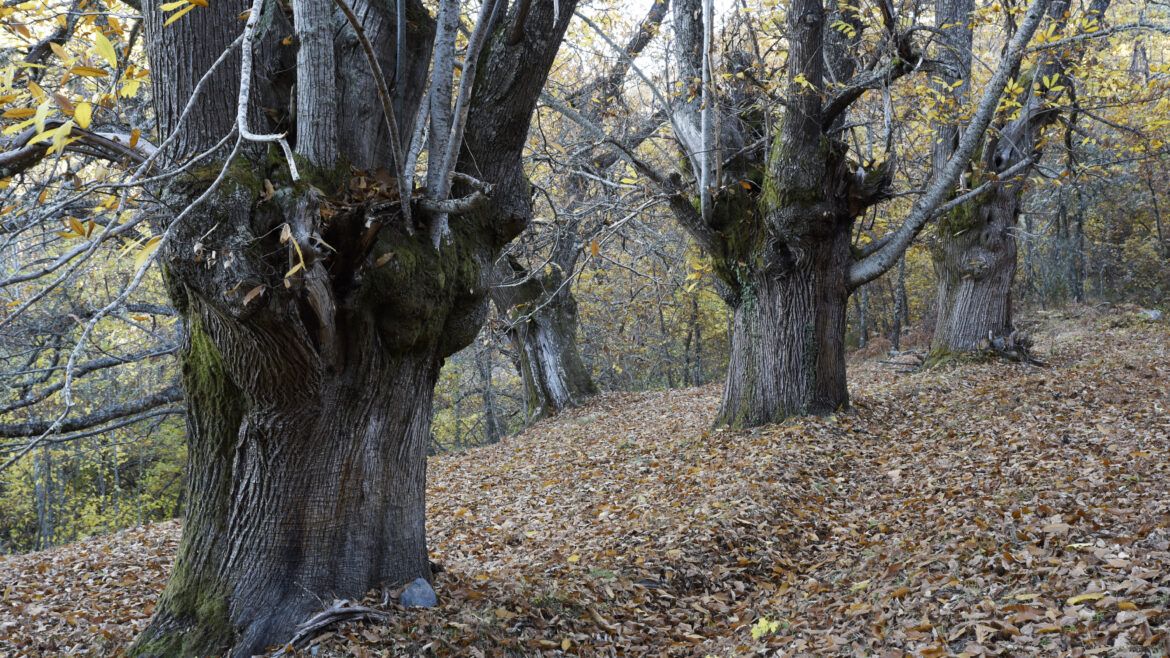
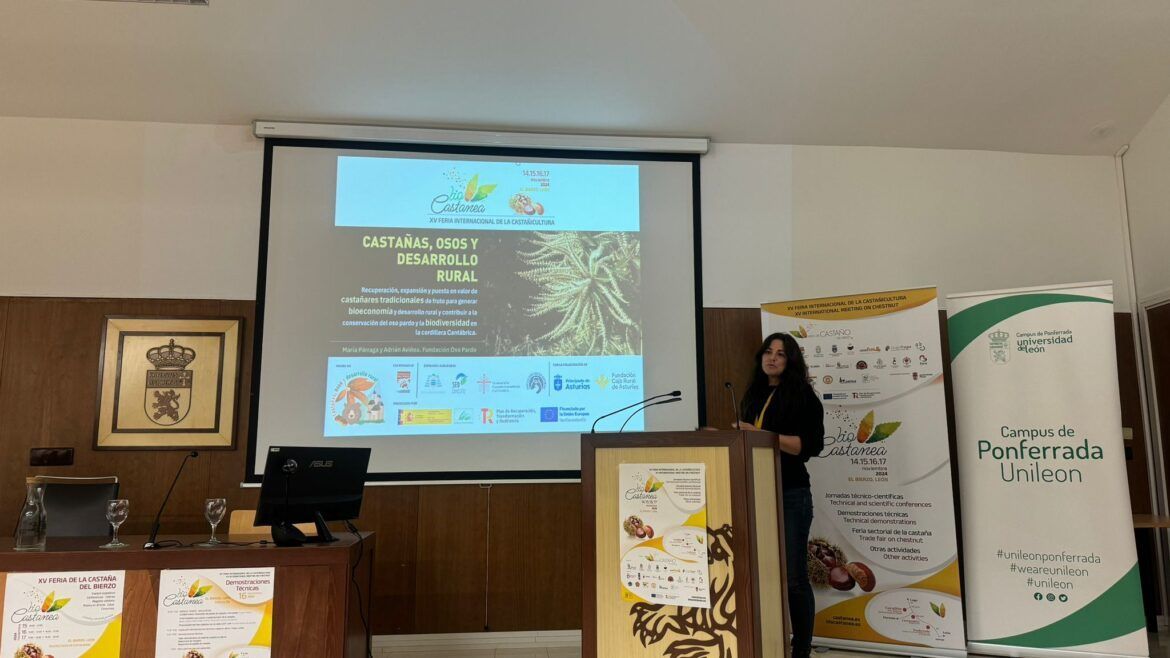
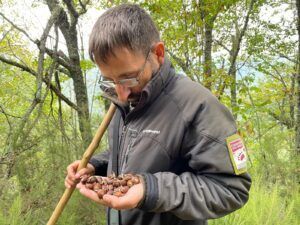
Recovering traditional chestnut groves is an opportunity for the rural environment and biodiversity. That is why this week we have participated in El Bierzo (León) in the international scientific-technical event of reference on chestnut trees, BioCastanea, presenting the progress and actions of our project ‘Chestnuts, Bears and Rural Development’.

The chestnut tree is a multifunctional tree, and traditional chestnut groves are a perfect example of harmony between human activities and nature conservation. Recovering traditional chestnut groves has many benefits:

▪️ support the socio-economic development of rural areas, creating green employment opportunities and boosting the forest bio-economy.

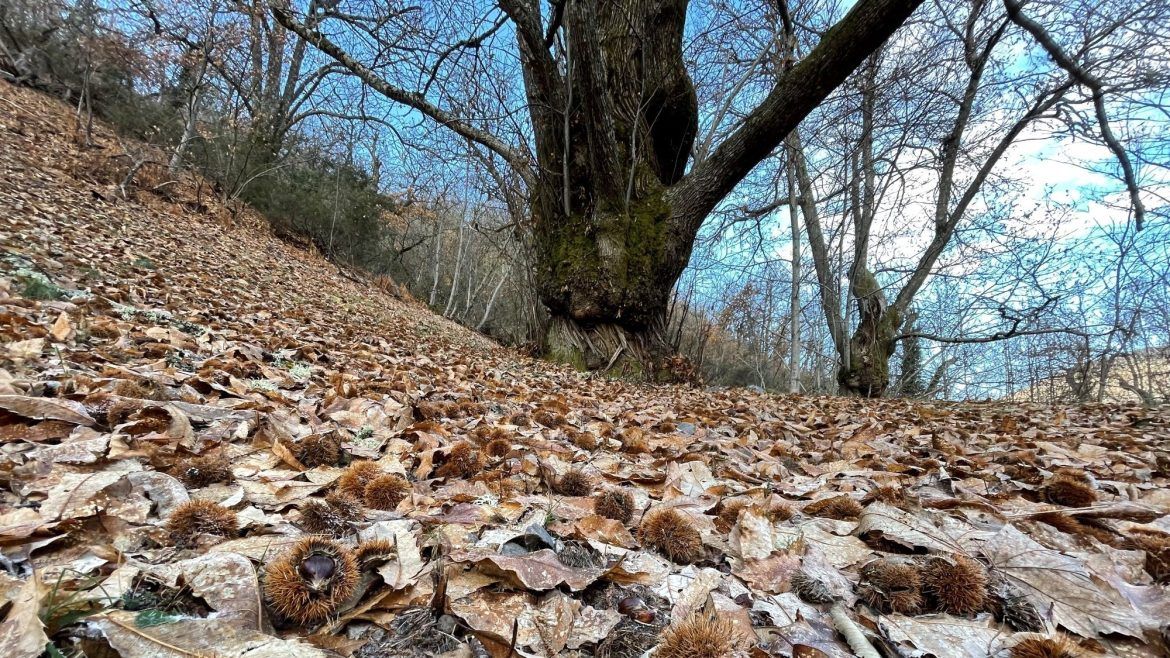
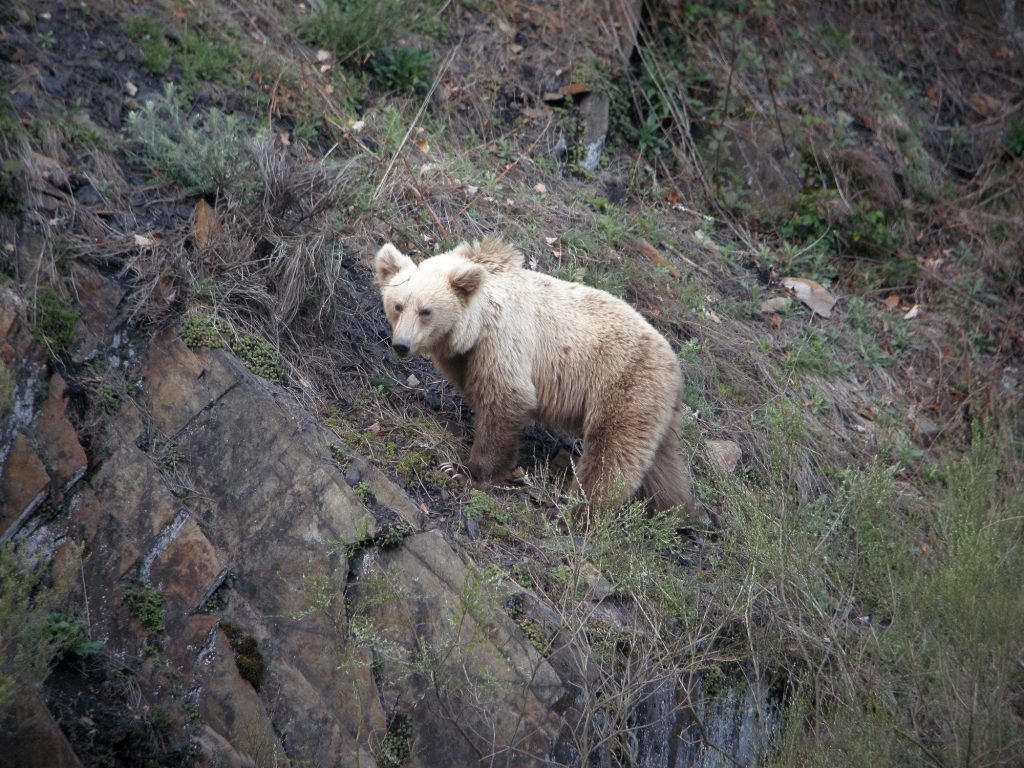
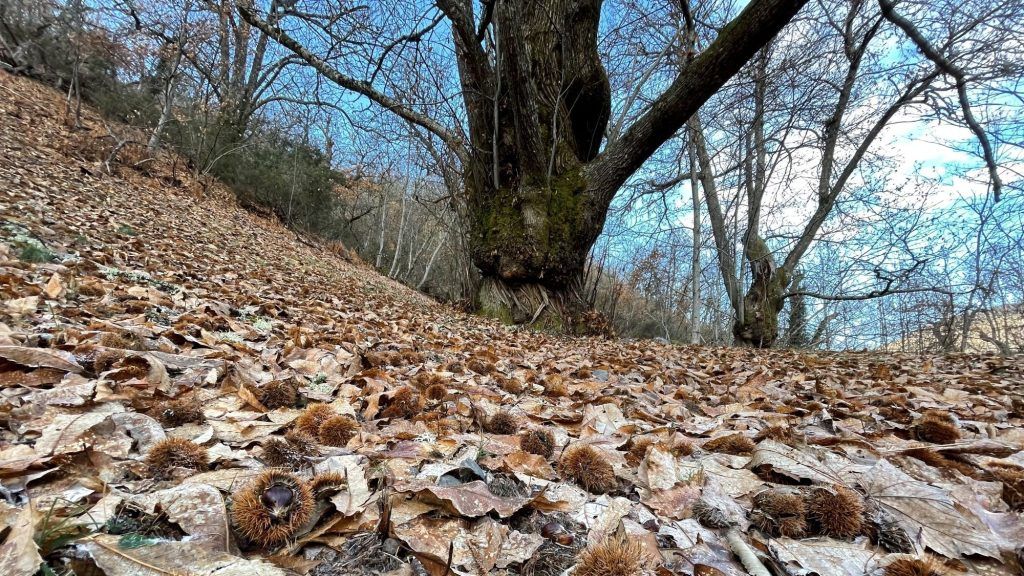
▪️ providing a secure autumn food resource for bears, forest birds and many other species

▪️ improving the adaptation of the Cantabrian mountain range to climate change scenarios

▪️ preserve ancestral chestnut tree varieties

The ‘Chestnuts, Bears and Rural Development’ project seeks to recover, expand and enhance the value of traditional chestnut groves in the Cantabrian Mountains to generate bioeconomy and rural development and contribute to the conservation of the brown bear and biodiversity.

María Párraga, the project coordinator of the Brown Bear Foundation (FOP), explained it in a talk that can be seen here (in spanish):

The initiative is running until December 2025 and, during the first months of action, work has focused on developing stewardship agreements with the owners (private and public) of the chestnut groves widely spread throughout the bear territory where recovery treatments will be carried out: the aim is to intervene in 36 chestnut groves, of about 3 hectares each.

Generation of green and local jobs

A key point of the project is to turn the chestnut groves into an engine for the generation of qualified green and local employment. The abandonment of traditional chestnut groves in a large part of the Cantabrian Mountains has led to a loss of activities and management know-how. This project aims to recover this knowledge and skills, while promoting interest in the improvement, care and maintenance of these rich agroforestry systems.
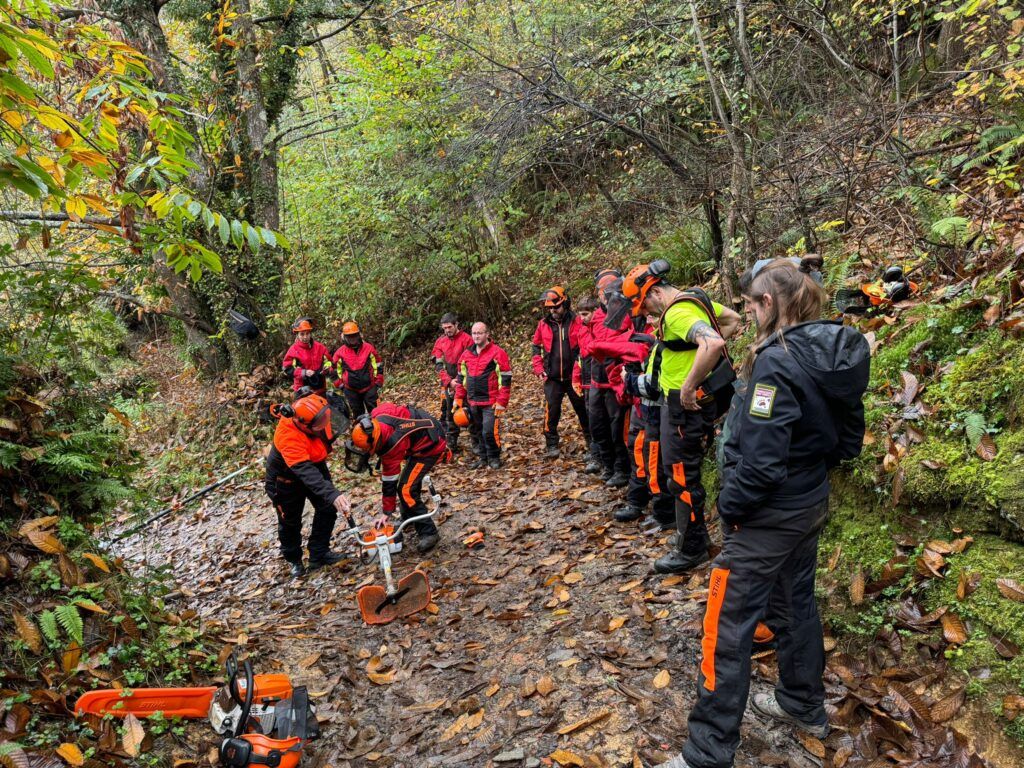
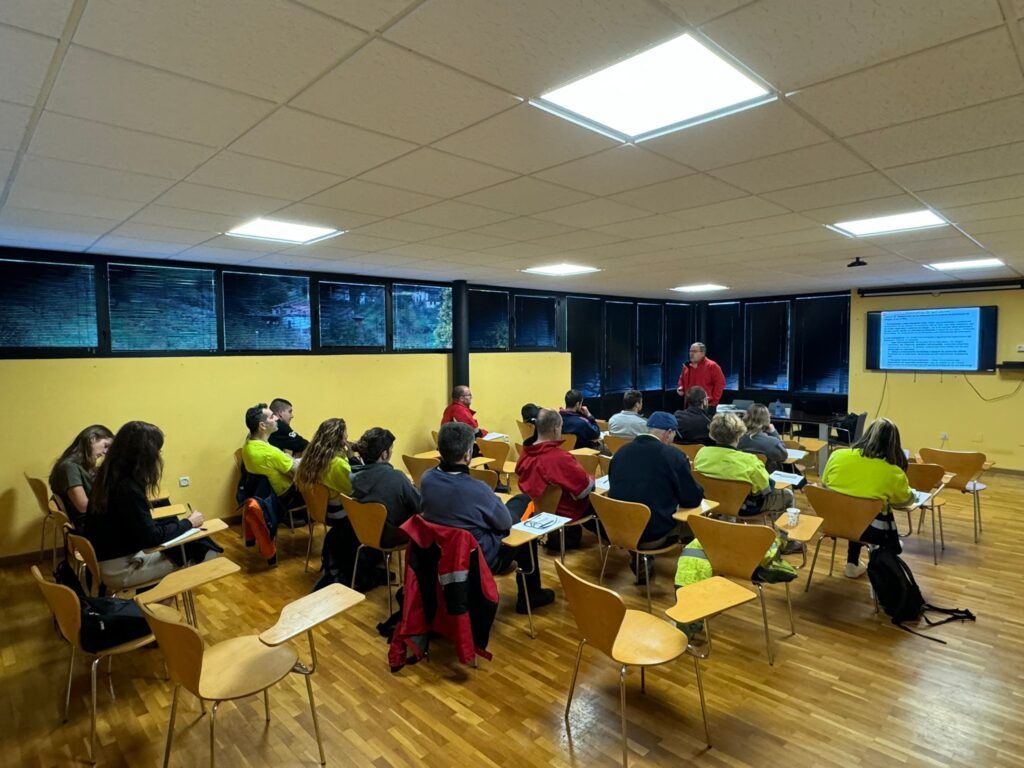
The people hired to carry out the forestry work of the project are residents of the municipalities of action, and will be trained intensively and continuously, which will provide them with a highly qualified professional profile beyond the project. On Monday, the first of the training courses was held in Tineo (Asturias), with 14 of the project workers, focusing on the safe use and handling of the tools to be used by the work teams when conditioning the chestnut groves (chainsaw, pole-axe, brush cutter and chipper).
The Chestnuts, Bears and Rural Development project is supported by the Biodiversity Foundation of the Ministry for Ecological Transition and the Demographic Challenge (MITECO) within the framework of the Recovery, Transformation and Resilience Plan (PRTR), funded by the European Union – NextGenerationEU. It is also supported by the Principality of Asturias and the Caja Rural de Asturias Foundation.

Coordinated by the FOP, project partners include the University of Oviedo, SEO/BirdLife, the Asturias Bear Foundation and the Camino Lebaniego Foundation.
Compartir esta publicación

Una cosecha histórica de bellotas en los montes cantábricos

Una cosecha histórica de bellotas en los montes cantábricos 320 320 Fundación Oso Pardo

Los osos están en pleno periodo de hiperfagia, consumiendo los frutos otoñales que ofrecen los bosques cantábricos. Hacía tiempo que no veíamos una cosecha de bellotas tan abundante y uniforme por toda la cordillera, desde el occidente hasta las montañas de Cantabria y Palencia, una excelente noticia para la especie.

Elías, uno de los técnicos en campo de la FOP

Las bellotas, castañas, hayucos y avellanas son vitales para que los osos y otras muchas especies puedan hacer acopio de energía para afrontar los duros meses del invierno. Este otoño, nuestro Equipo de campo está recogiendo frutos otoñales en distintas alturas y zonas de la cordillera Cantábrica, principalmente castañas, que serán analizados para conocer mejor sus propiedades nutricionales.
Uno de los objetivos es entender mejor la importancia para la ecología de los osos de las más de 40 variedades autóctonas de castaños conocidas en las áreas oseras.
Es un trabajo que desarrollamos en colaboración con investigadores de la Universidad de Oviedo, en el marco del proyecto ‘Castañas, Osos y Desarrollo Rural’ y de otras líneas de investigación. Una buena base de conocimiento científico es esencial para seguir avanzando en la conservación del oso pardo
El proyecto ‘Castañas, Osos y Desarrollo Rural’ se desarrolla con el apoyo de la Fundación Biodiversidad en el marco del #PlanDeRecuperación #ProyectosPRTR , el Principado de Asturias y la Fundación Caja Rural de Asturias .
Compartir esta publicación

Más castañas para activar la bioeconomía forestal, más castañas para la fauna salvaje

Más castañas para activar la bioeconomía forestal, más castañas para la fauna salvaje 2560 1709 Fundación Oso Pardo
Con el proyecto ‘Castañas, Osos y Desarrollo Rural’ estamos trabajando en las zonas oseras de Asturias, Cantabria y León para recuperar castañares tradicionales de fruto en colaboración con propietarios públicos y privados, en beneficio del medio rural y la biodiversidad. Lo explicamos hace unos días en Oviedo, en la presentación de los proyectos para el fomento de la Bioeconomía Forestal financiados por la Fundación Biodiversidad en Asturias. “Queremos recuperar los castañares en proceso de abandono para que generen bioeconomía, para crear empleo en el medio rural, y para que las castañas que no se recojan cuando se produzcan más se las coman los osos. Es un trato perfecto», indicaba Guillermo Palomero, director de la Fundación Oso Pardo.
Para conocer todo lo que se ha debatido y explicado sobre el proyecto puedes acceder al video de Youtube sobre ‘Bioeconomía Forestal’:
El proyecto ‘Castañas, Osos y Desarrollo Rural’ se desarrolla con el apoyo de la Fundación Biodiversidad en el marco del #PlanDeRecuperación #ProyectosPRTR , el Principado de Asturias y la Fundación Caja Rural de Asturias . Coordinado por la FOP, participan como socios en el proyecto la Fundación Oso de Asturias , la Universidad de Oviedo – UniOvi , SEO/BirdLife y la Fundación Camino Lebaniego
Compartir esta publicación

Kick-off of a project to recover chestnut groves as a driving force for rural development and brown bear conservation

Kick-off of a project to recover chestnut groves as a driving force for rural development and brown bear conservation 2000 1125 Fundación Oso Pardo

Chestnut groves are a cultural and natural treasure of the Cantabrian Mountains that are highly threatened due to the abandonment of traditional uses, the incidence of pests and diseases, and rural depopulation. To enhance their role as an ecosystem that generates bioeconomy and rural development, the Brown Bear Foundation (FOP) will lead a project that will recover and enhance the value of traditional fruiting chestnut groves in bear areas of Asturias, Cantabria and Castilla y León. In a context of climate change, these forests will play a key role in the future of the Cantabrian brown bear as a secure and stable food source.

Coordinated by the Brown Bear Foundation (FOP), the ‘Chestnuts, bears and rural development’ project is supported by the Biodiversity Foundation of the Ministry for Ecological Transition and the Demographic Challenge (MITECO), with a total budget of 2,026,790.40 euros. The University of Oviedo, SEO/BirdLife, the Asturias Bear Foundation and the Camino Lebaniego Foundation are participating as partners, and it will run until December 2025, within the framework of the Recovery, Transformation and Resilience Plan (PRTR), financed by the European Union – NextGenerationEU.

Involving the inhabitants of the Cantabrian Mountains’ bear areas, the project will enhance the value of the traditional chestnut groves – which are suffering a strong process of abandonment – with the intention of recovering them, improving their health and vitality, and increasing fruit production.

The goal of the project is to recover 108 hectares of these forests in Asturias, Cantabria and Castille and León, a service that will be offered free of charge to public and private landowners in the areas of action. It will also plant 12,000 trees grafted with traditional and local varieties, some of which are at high risk of disappearing.

In Castille and León, the project will work in the León municipalities of Palacios del Sil, Páramo del Sil and Villablino. In Asturias, efforts will concentrate on the councils with the highest density of bears, in the west and centre. And towards the east of the Cantabrian Mountains, work will be carried out in the Liébana valley in Cantabria.

In addition to the creation of green jobs and rural revitalisation, prioritising the hiring of women, the project will offer training to owners and forestry workers on the management and handling of chestnut trees, the fight against pests and diseases, and marketing processes and channels. Chestnuts are a healthy food and a forest product with high added value, with great potential as a driver of rural development.

The chestnut tree, key to the future of the Cantabrian brown bear

In autumn bears roam the forests in search of nuts such as acorns and beechnuts, a vital source of fat for hibernation. The production of the oak and beech forests of the Cantabrian Mountains varies from year to year, but well-preserved and managed chestnut groves produce fruit much more consistently, autumn after autumn: chestnuts are therefore a safe, nutritious and energetic food in the diet of the plantigrade.

This relationship will become increasingly important in the future, as the chestnut tree, which is thermophilic in nature, is one of the trees that is resilient to climate change in the Cantabrian Mountains. According to several scientific studies, chestnut trees will be able to expand their optimum habitat to higher altitude areas. They will therefore be key to the conservation of the bear and other species that feed on fruit, such as forest birds. These, in turn, provide important ecosystem services, such as biological control of insect pests that can affect chestnut trees.

Along these lines, the project will contribute to improving scientific knowledge on traditional chestnut tree varieties, their conservation and management, their recovery potential and their suitability in the new climate scenario.

The project will highlight the link between bears and chestnut trees as a sustainable tourism asset. Three interpretative routes will be prepared and signposted in bear areas, and six corras, the traditional constructions used to preserve chestnuts, will also be restored.

In order to assess their social profitability and their importance for the well-being and development of the rural environment, an economic analysis of the ecosystem services generated by these landscapes is planned. Two studies will also be carried out on their importance for biodiversity, focusing on forest birds and the conservation of bears.

Compartir esta publicación
WordPress Image Lightbox Plugin